Good for
- Companionship: affectionate and long-lived
- Guarding sheep and goats from dogs and coyotes (standard donkeys)
- Light riding and driving (ponies, mammoth donkeys)
- Grazing rough pasture
PASTURE
1–2
per acre
Plus a dry lot to limit rich grass
SIZE
200–1,000+ lbs
Miniature to mammoth
KEEP AT LEAST
2 equines
A lone donkey or pony does poorly
LIFESPAN
25–35+ years
Donkeys often live past 30
Best breeds by goal
| Goal | Best fit |
|---|---|
| Companion | Miniature donkey, Miniature horse |
| Guardian for sheep and goats | Standard donkey |
| Riding and driving | Welsh pony, Mammoth donkey |
| Children’s pony | Shetland pony, Welsh pony |
Breeds to consider
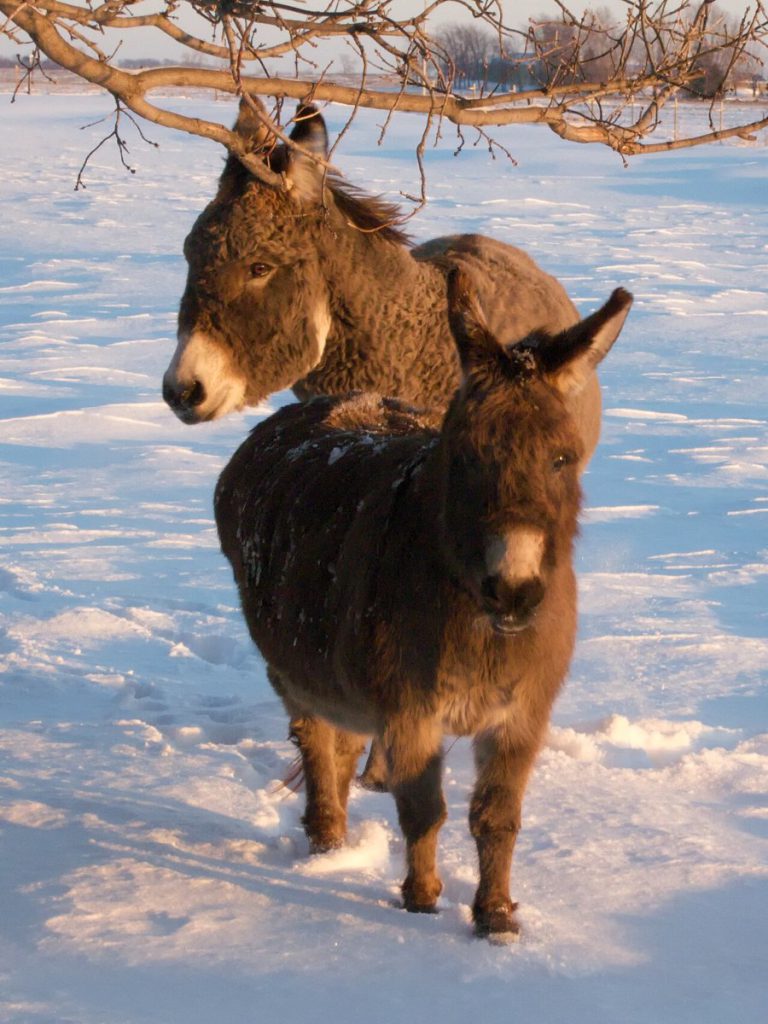
Miniature donkey
Pet · small
Under 36 inches at the shoulder. Affectionate and good with children, but prone to obesity, so they need a dry lot and limited grass.
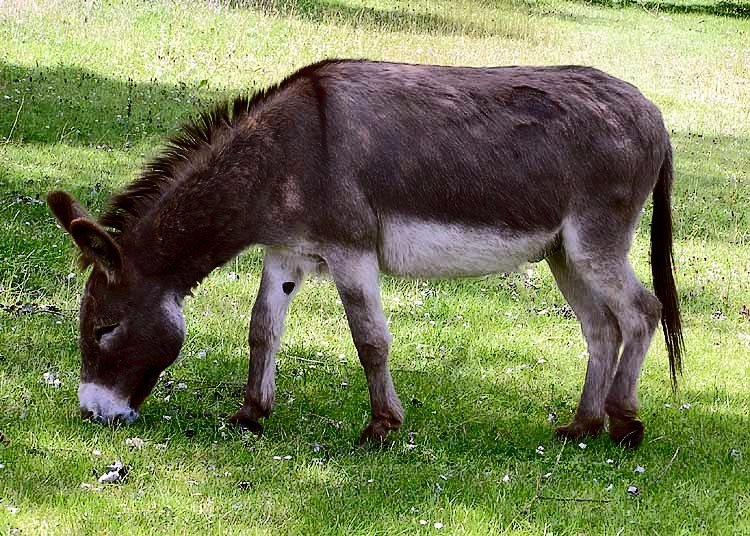
Standard donkey
Guardian · companion
36–48 inches tall. The classic donkey; many make good guardians for sheep and goats. Introduce them carefully and watch them with lambs and kids.
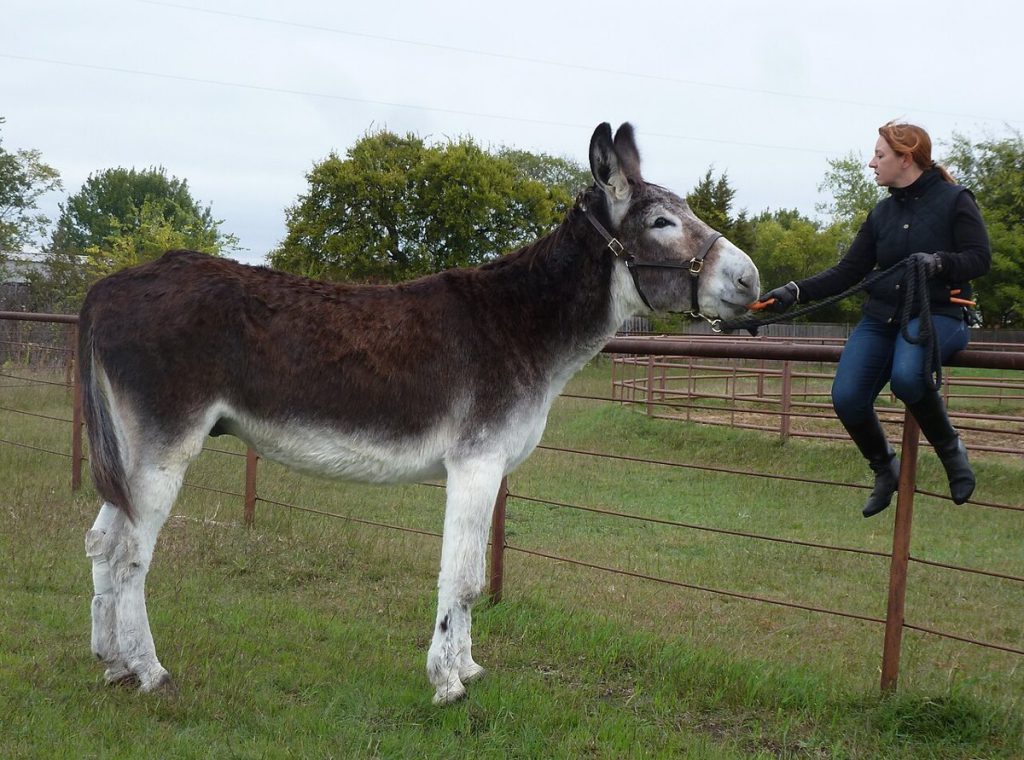
Mammoth donkey
Large · riding
The largest donkey, 54 inches and up, bred for work and to sire mules. Calm and strong, but needs more space and feed.
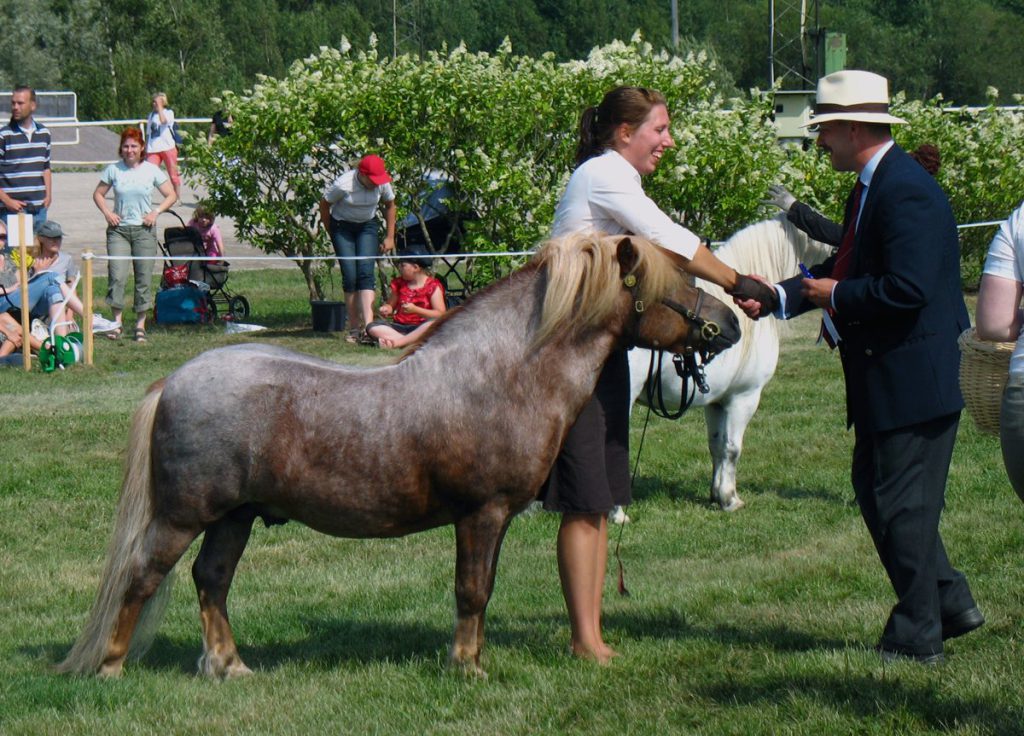
Shetland pony
Small · hardy
A tough, small pony from Scotland’s Shetland Islands with a thick winter coat. Clever and sometimes stubborn, and very prone to laminitis on rich grass.
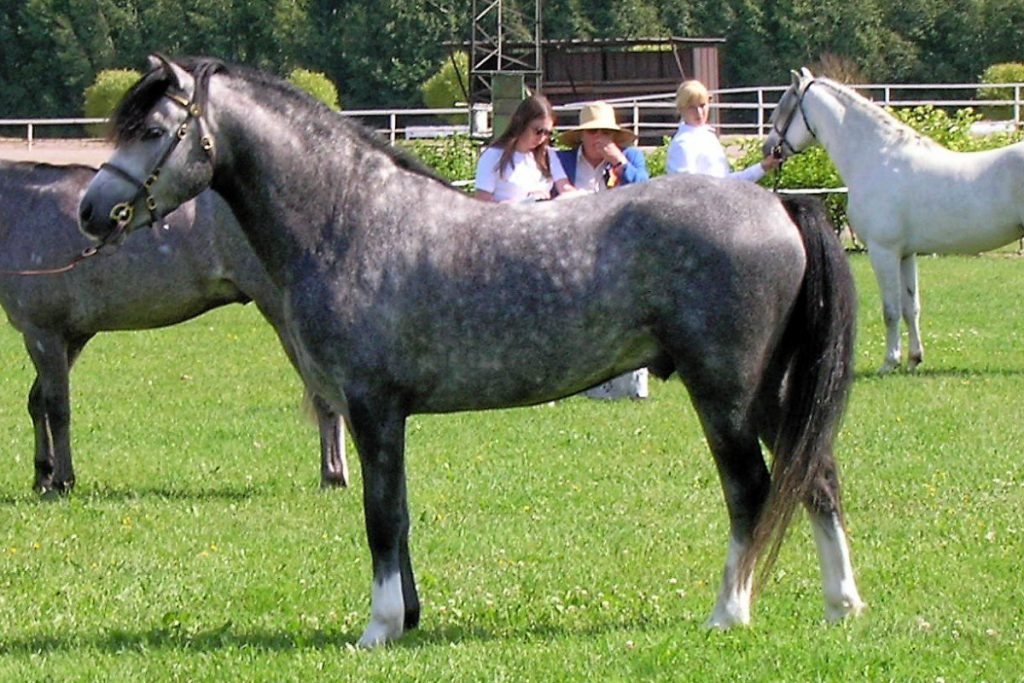
Welsh pony
Riding · versatile
A hardy, athletic pony from Wales, popular for children’s riding and driving.
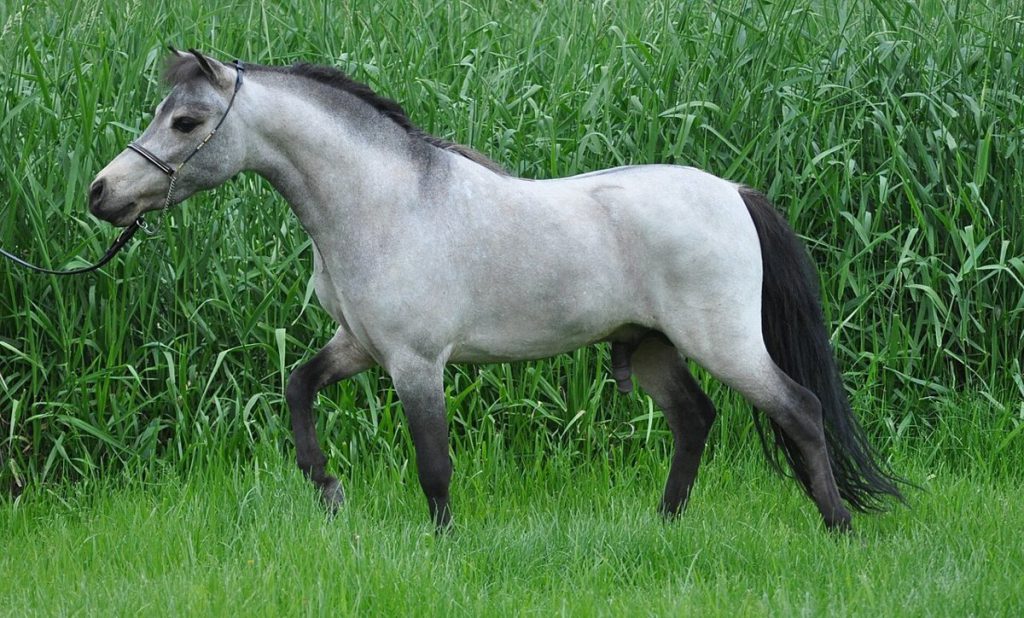
Miniature horse
Companion · long-lived
A horse under about 34–38 inches. Lives 25–35 years and makes a great companion, but needs the same hoof, dental and vet care as a full-size horse.
Getting started
1. Check local rules
- Many counties limit large animals on small lots. See our Regulations page.
2. Land and a dry lot
- About 1 acre for 1–2 animals.
- A dry lot or track system to limit rich grass, and gravel for the wet season (October–April).
3. Shelter
- A three-sided run-in shed big enough for all of them to lie down. Donkeys’ coats aren’t waterproof, so they need cover from rain.
4. Fencing
- 4–5 ft board, woven-wire or no-climb fencing. Never barbed wire.
- Strong gates and latches; donkeys are clever.
5. Feeding
- Grass hay or barley straw (for donkeys), limited pasture and no sugary treats.
- A vitamin E and selenium supplement; selenium is low in the Pacific Northwest.
- Weight-tape monthly to catch weight gain early.
- How much: 1.3–1.8% of body weight in dry feed a day for donkeys, mostly hay or straw.
6. Hooves, teeth and vet care
- Farrier or hoof trimmer every 6–10 weeks.
- A yearly dental check and vaccines your vet recommends.
- Deworm based on fecal egg counts, not a calendar.
7. Companionship
- Always keep at least two equines; a lone donkey or pony is stressed.
8. Long-term plan
- Donkeys can live more than 30 years. Plan who will care for them if you can’t.
Care
Starter kit
The bare-necessities tools and health supplies for each species, not counting fencing, housing or feed. Antibiotics are prescription-only, so line up a livestock vet before you buy animals. Dewormer doses for goats, alpacas and waterfowl are off-label, so get those from your vet.
Every kit
- Digital thermometer
- Nitrile gloves
- Wound spray (Vetericyn Plus or Blu-Kote)
- Gauze, vet wrap, bandage scissors
- Syringes and needles
- Electrolytes
Donkeys and ponies kit
- Halter and lead
- Hoof pick, curry comb, stiff brush
- Thrush treatment (Thrush Buster or Koppertox)
- Dewormer paste (ivermectin, pyrantel)
- Weight tape (donkey-specific for donkeys)
- Grazing muzzle
- Fly mask and fly spray
- Vitamin E/selenium supplement
Product names are common examples, not endorsements; check current labels before buying, since names and Rx status change.
Care and maintenance schedule
An example schedule for the Pacific Northwest. Treat it as a starting point and adjust it to your animals, your weather and your vet’s advice.
The biggest year-round risks are hooves and weight, not worms: farrier every 6–10 weeks, a grazing muzzle on spring grass, and deworming once or twice a year with extra treatments only for high egg shedders.
| When | Tasks |
|---|---|
| Daily | Water, hay (weighed, not free-fed for easy keepers), headcount; pick hooves; look for lameness, especially a rocking-back stance (laminitis) |
| Weekly | Muck out shelter and paddock (also the best worm control); groom and check skin for rain rot; check fences |
| Monthly | Weight tape and body condition score (donkeys store fat along the neck crest); check teeth for dropped feed |
| Every 6–10 weeks | Farrier or hoof trim |
| Spring and fall | Fecal egg count to sort into low, medium and high shedders; baseline deworming |
| Yearly | Core vaccines (tetanus, Eastern/Western encephalitis, West Nile, rabies); dental float by a vet; fecal egg count reduction test to confirm your dewormer still works |
Seasonal calendar (Pacific NW)
- Spring: Highest laminitis risk: grass grows fast and is sugar-rich. Limit grazing hours, use a grazing muzzle, or keep easy keepers in a dry lot. Spring vaccines and fecal test.
- Summer: Fly masks and fly spray; shade. Keep checking weight.
- Fall: Second fecal test. After the first hard frost, deworm with a product that includes praziquantel (tapeworms) and ivermectin or moxidectin (bots).
- Winter: Donkey coats are not waterproof like horse coats: a three-sided shelter is a must. Dry footing prevents thrush and abscesses. Ponies may need a rain sheet.
Deworming
Worms have become resistant to every main dewormer family, so the old advice of deworming on a calendar and rotating brands no longer works. This page explains the current approach and lists dewormer options for each animal on this site. Doses are left out on purpose: many uses are off-label, so your vet sets the dose and the withdrawal time.
Dewormer options
| Product | Treats | Small-farm notes |
|---|---|---|
| Ivermectin (e.g., Equell, Eqvalan) | Strongyles, bots, lungworms | Baseline choice; also clears lungworm, which donkeys often carry |
| Moxidectin (Quest) | Strongyles incl. encysted stages, bots | Strongest; weigh carefully, overdosing is a risk in minis, foals and thin animals |
| Ivermectin + praziquantel (Equimax) or moxidectin + praziquantel (Quest Plus) | Above plus tapeworms | Fall pick, after first frost |
| Pyrantel (Strongid) | Strongyles, roundworms, tapeworms at double dose | Resistance is common in strongyles |
| Fenbendazole (Panacur PowerPac, 5-day) | Roundworms in young animals; encysted strongyles | Widespread strongyle resistance; mostly for youngsters |
Recommendation: Follow the AAEP plan: one or two baseline treatments a year for every animal (spring ivermectin, fall ivermectin or moxidectin plus praziquantel), plus extra treatments only for high shedders found by fecal test. Stop calendar deworming every 2 months and stop rotating brands blindly. Equine dewormers are labeled for horses, so ask your vet to confirm doses for donkeys and miniatures.
Buying guide
How to buy healthy donkeys and ponies
A healthy animal from a good seller saves you vet bills and heartache. Print this checklist and take it with you: it covers what to have ready at home, what to ask and check at the farm, and what to do in the first weeks.
Donkey and pony buying checklist
Seller: ______________________ Date: ____________ Animal(s): ______________________
Get ready at home
- Confirm your county and city allow this animal on your lot, and how many (see our Regulations page)
- Housing and fencing are built and ready before the animals arrive
- A livestock vet is lined up (ask about new-client exams and after-hours calls)
- A separate quarantine pen or stall is ready for new arrivals
- Feed, water containers and bedding are on hand for the first week
- Transport is arranged: a crate, trailer or vehicle that is clean and secure
- Your budget covers the animal, supplies, vet visits and feed for the first year
At the farm
- Visit the farm in person and see the animals where they live
- Ask to see the parents or the rest of the herd or flock
- Check that pens and housing look clean and dry
- Watch the animals move, eat and interact before you handle them
- Ask how old the animal is and why it is for sale
- Ask about vaccination, deworming and any diseases in the herd or flock
- Ask for health, breeding and registration records where they exist
- Get a written bill of sale with date, price, age, sex and any health guarantee
- Don’t feel rushed. Walk away if something looks wrong
Check the animal
- Ask for a pre-purchase exam by an equine vet
- Check hooves for cracks, rings, heat, thrush or signs of laminitis
- Check weight and the crest of the neck; donkeys and ponies gain weight easily
- Ask about vaccination history, a recent Coggins test and deworming
- Check that the animal leads, picks up its feet and accepts handling
- Check teeth and eyes with your vet
- Plan for a companion: donkeys and ponies do poorly alone
After you bring them home
- Quarantine new animals away from your existing animals for at least 30 days
- Book a vet check or fecal test within the first week or two
- Watch appetite, droppings, breathing and behavior every day at first
- Keep the first days calm, with clean feed and water
General guidance from The Modest Acre. Ask your vet about anything specific to your animals.


Donkey or pony record
Fill this in on screen and print it, or print it blank and write on it. What you type is saved only in this browser.
Ready to get started?
Toxic plants
Toxic plants guide for western Washington
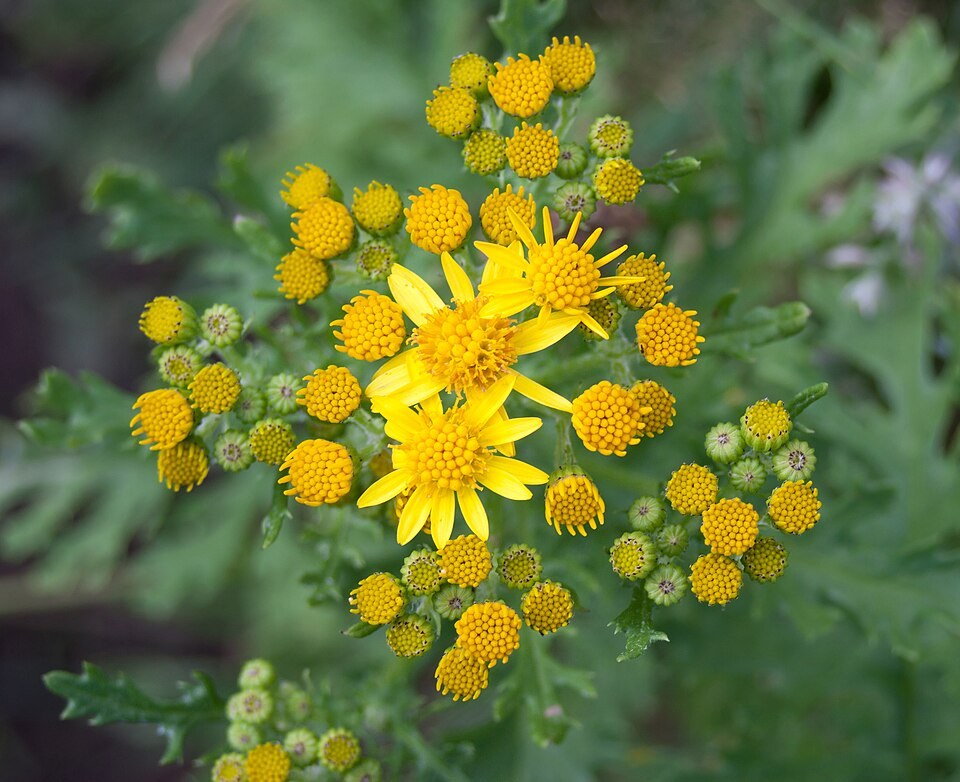
Photos of the deadly dozen, plus tables of the toxic trees, shrubs, flowers and weeds that grow around Puget Sound. Learn to recognize them before you turn animals out.
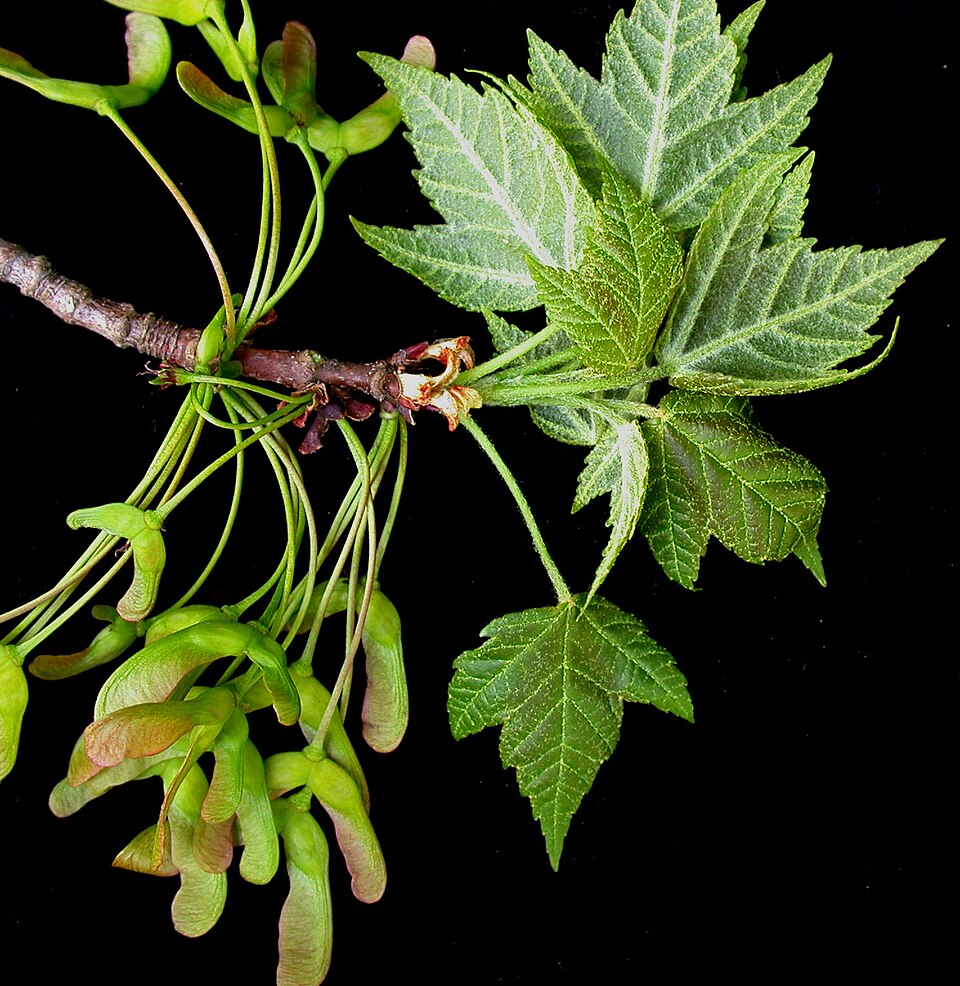

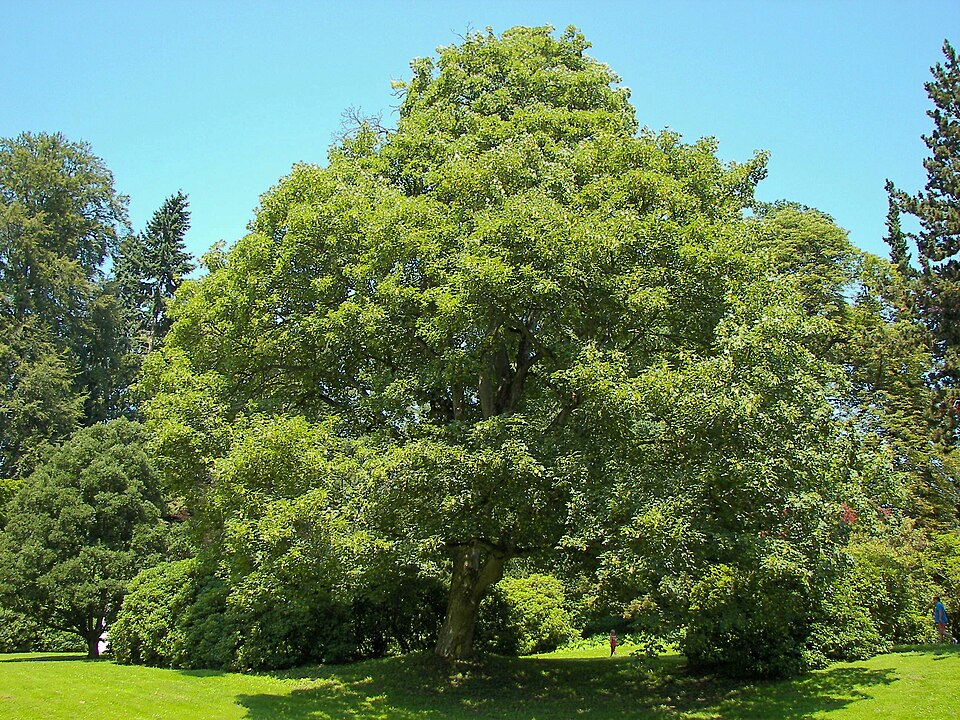

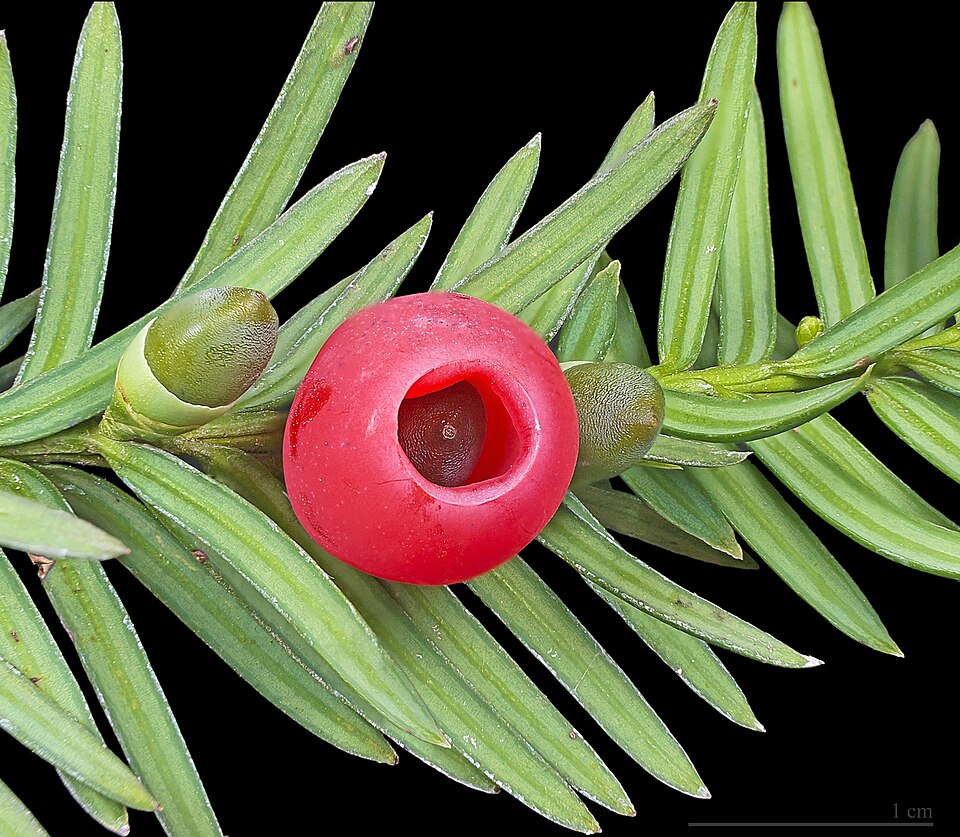


Watch for these on your land
Smaller equines can be poisoned by smaller amounts than a full-size horse. Several of these trees are dangerous only after their leaves or seeds fall.
- Wilted red maple leaves
- Sycamore maple and box elder seeds
- Yew
- Tansy ragwort
- Black walnut shavings
- Alsike clover
- Bracken fern and horsetail in hay
- Black locust
- Oak
- Golden chain tree
- Foxglove
- Oleander
- Rhododendron
- Poison and water hemlock
- Scotch broom
- Young sorghum-sudangrass
- Onions
Keeping your animals safe
- Walk your fencelines every season. Identify plants before pulling them, and check what’s growing just over the fence too.
- Never feed yard clippings. Ask neighbors not to toss trimmings over the fence. A friendly sign helps.
- Clear storm debris fast. Pick up downed maple, cherry and plum branches within a day, before the leaves wilt.
- Keep animals well fed. Hungry animals on bare winter pastures eat plants they would normally avoid. Offer hay when grass runs short.
- Inspect your hay. Look for tansy ragwort, hemlock, horsetail and bracken. Ask your supplier where it was grown.
- Remove poison hemlock safely. Wear gloves, bag the plants and put them in the trash. Never compost them.
- Get free help with ID. The Snohomish, King, Pierce and Thurston county noxious weed boards and WSU Extension offices can identify plants for you.
If you think an animal ate something toxic, call your livestock vet right away and bring a sample or photo of the plant. ASPCA Animal Poison Control is open 24/7 at (888) 426-4435 (a consultation fee may apply).