Start here
In western Washington, most plant poisonings on small farms come from a short list of yard shrubs and pasture weeds. Hedge trimmings tossed over the fence by a well-meaning neighbor are a classic cause.
These lists cover toxic plants and trees that actually grow in the Puget Sound lowlands (Snohomish, King, Pierce and Thurston counties, roughly USDA zones 7b–8b). They include natives, garden plants and invasive weeds. Plants that can’t grow here are left out on purpose.
How to read the tables
- Origin: Native = grows wild here naturally. Introduced = garden, farm or street plant. Invasive = escaped and listed or tracked by Washington weed boards.
- Danger: High = small amounts can kill. Moderate = can cause serious illness, usually in larger amounts or over time. Low = mild upset, or animals rarely eat enough to matter.
- Most at risk: the animals covered on this site that are most often affected. “All” means treat it as toxic to every species.
Well-fed animals usually avoid bitter, toxic plants. Trouble starts when they’re hungry, bored, newly moved to a pasture, or handed clippings.
If you think an animal ate something toxic: call your livestock vet right away and bring a sample or photo of the plant. ASPCA Animal Poison Control is open 24/7 at (888) 426-4435 (a consultation fee may apply). For help identifying a weed, contact your county noxious weed board or WSU Extension office.
This guide is for awareness and planning. It isn’t a substitute for advice from your veterinarian.
The deadly dozen
If you learn only 12 plants, learn these. They are common around Puget Sound, and small amounts can kill.
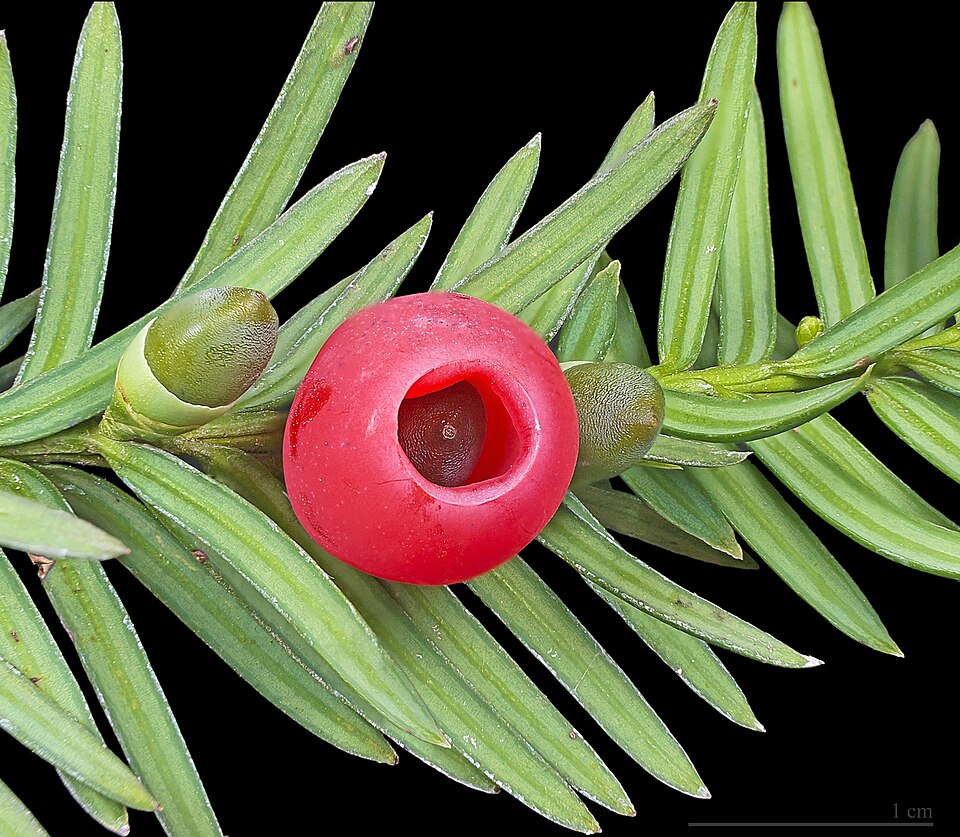
Yews (English, Japanese, and native Pacific yew)
Popular hedges. A mouthful of clippings, fresh or dried, can kill a donkey, goat or alpaca within hours.
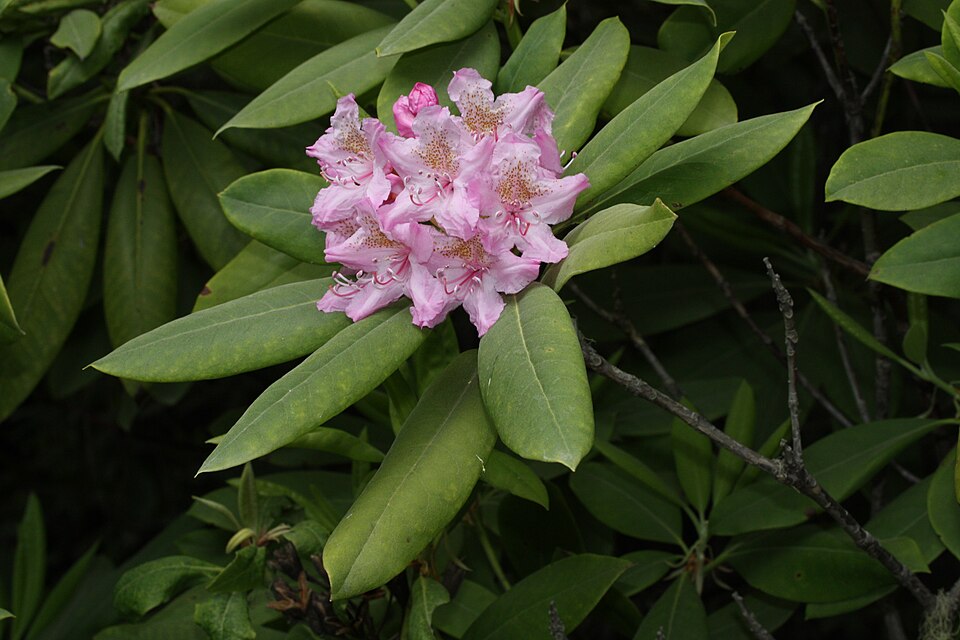
Rhododendron, azalea and Pieris (lily-of-the-valley shrub)
The top cause of goat poisoning. Pacific rhododendron, the state flower, is native here too.
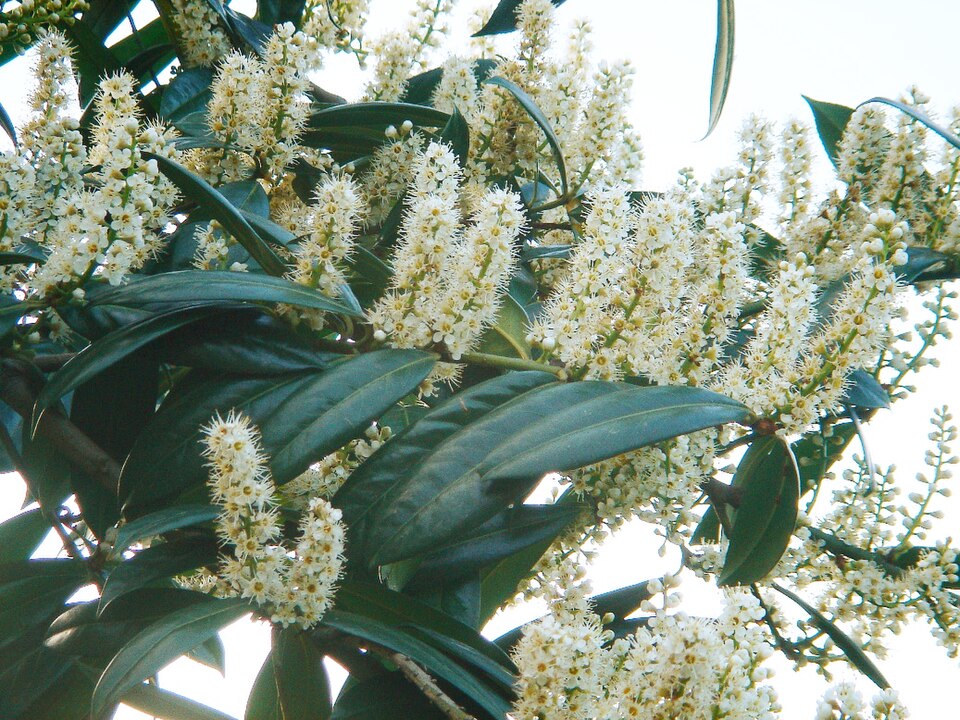
Cherry laurel (English laurel) and Portugal laurel
The most common hedge in western Washington. Wilted leaves release cyanide.
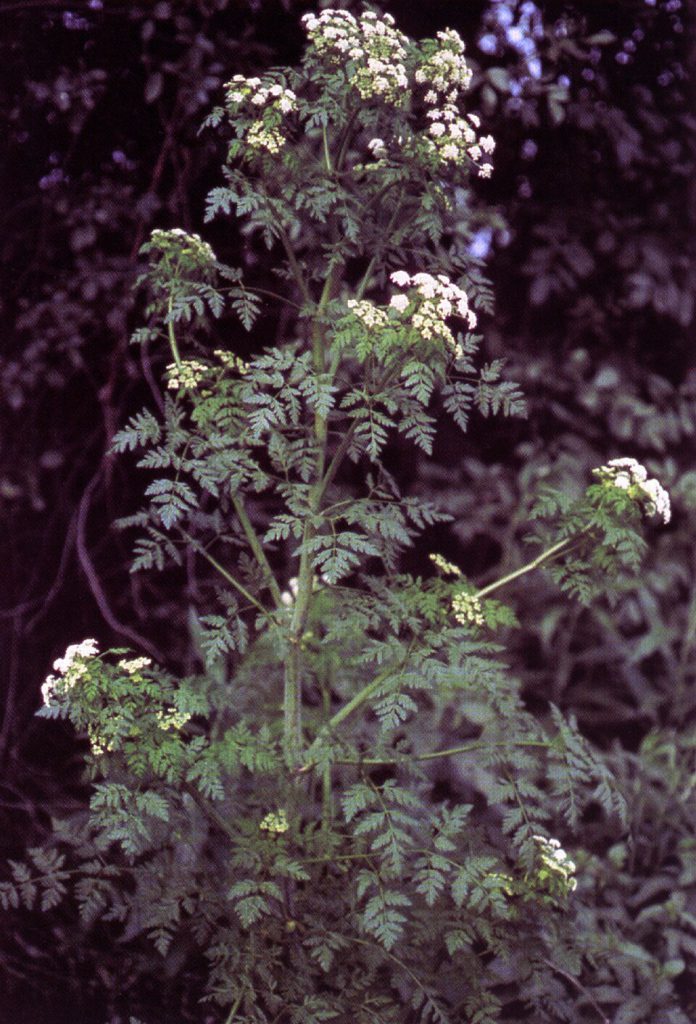
Poison hemlock
A Class B noxious weed in ditches and field edges. Dried stalks stay toxic for up to three years.
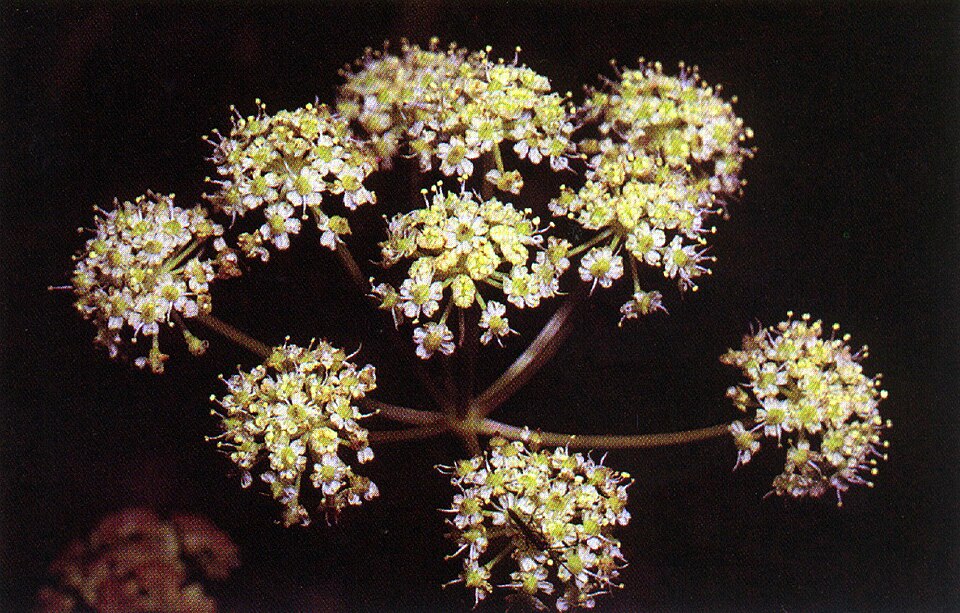
Western water hemlock
A native plant of stream banks and wet ditches. A piece of root the size of a walnut can kill a cow.
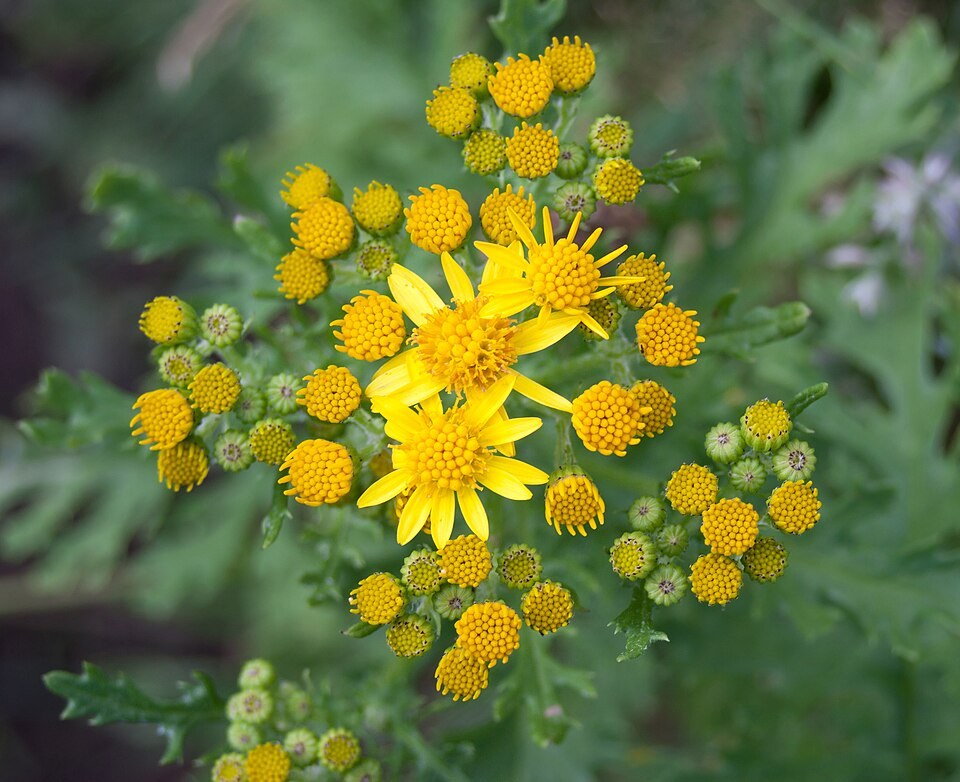
Tansy ragwort
A yellow-flowered Class B noxious weed. It damages the liver slowly and is just as toxic dried in hay.
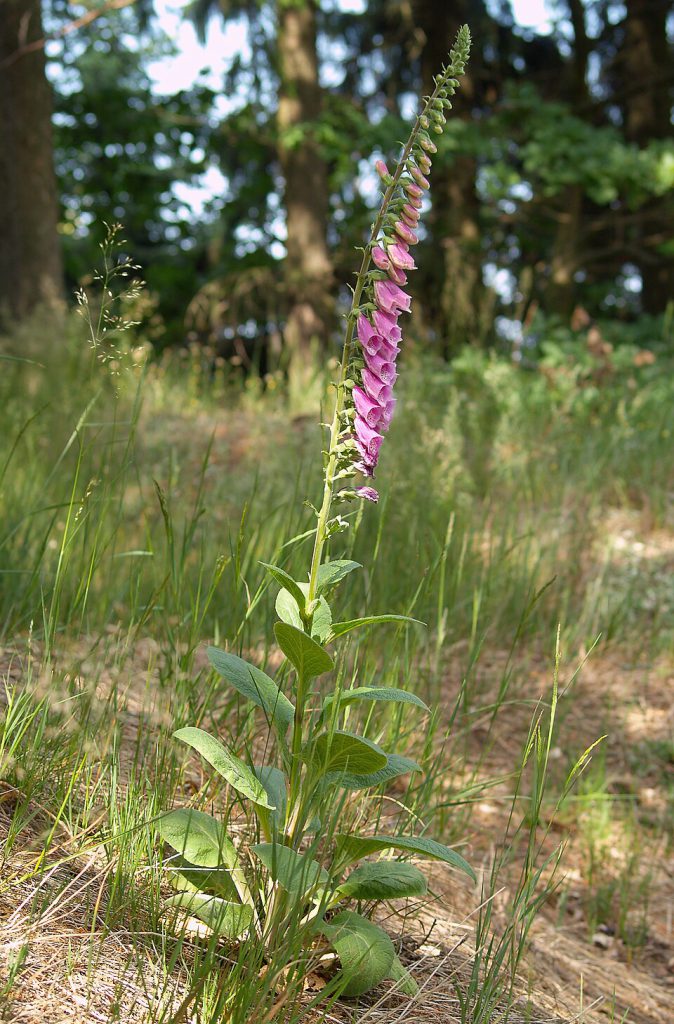
Foxglove
Naturalized in clearcuts, roadsides and gardens all over the region.
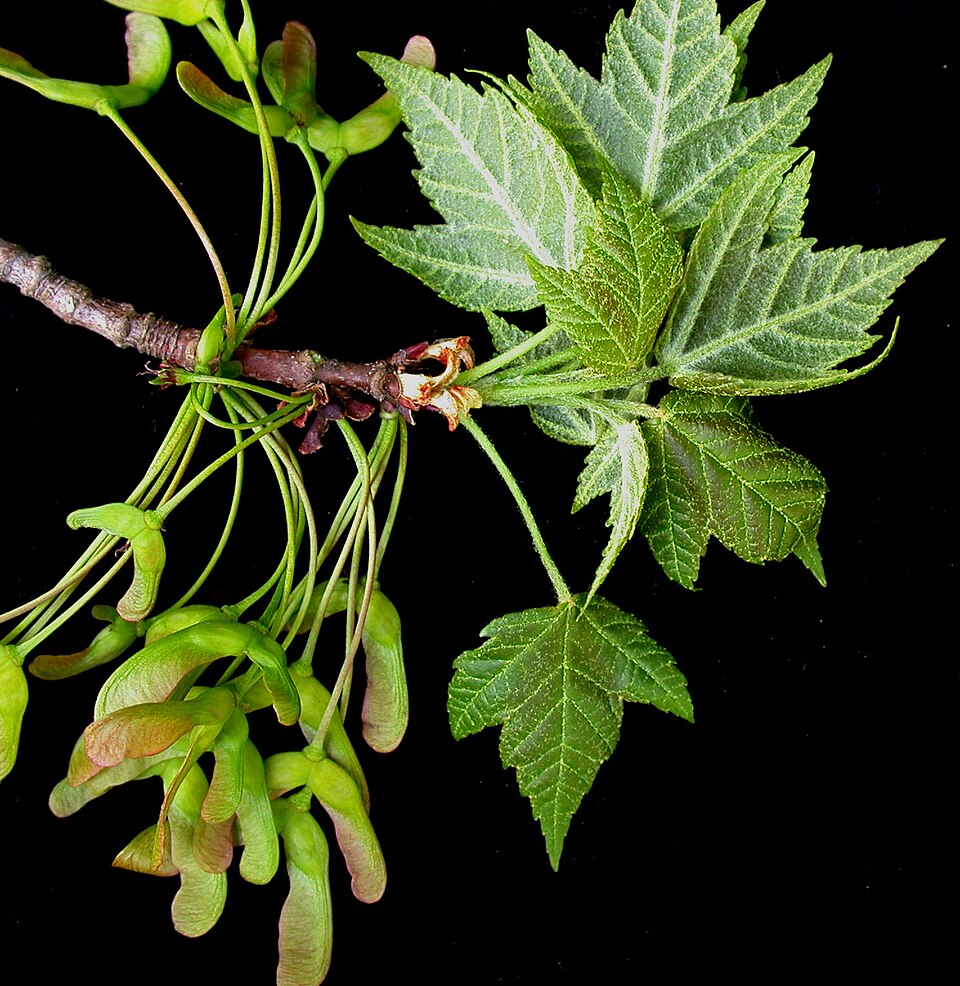
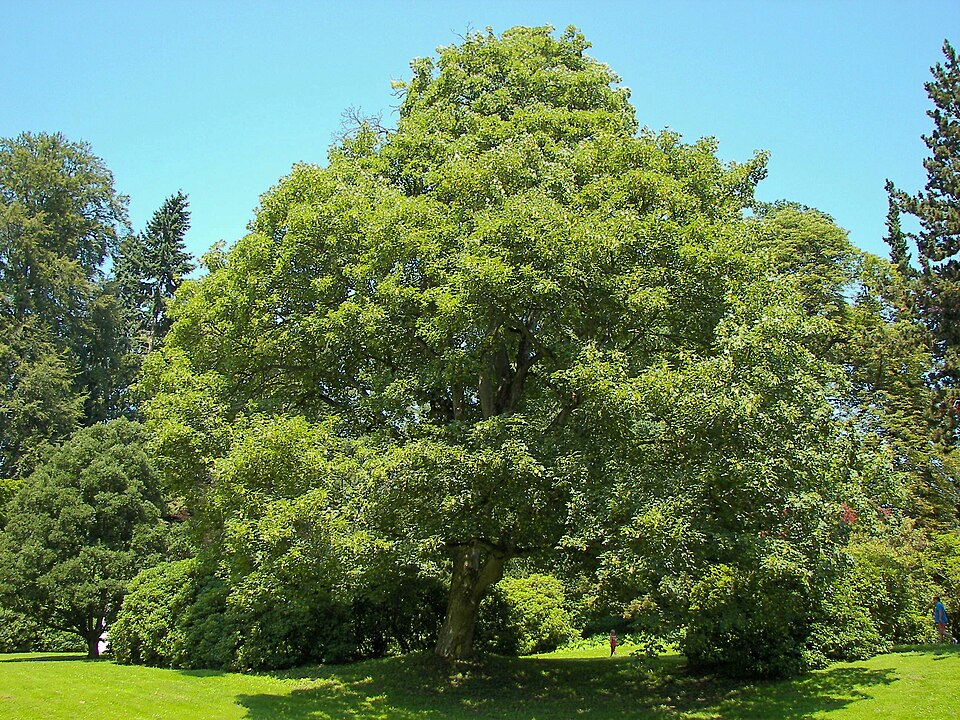
Red maple
A common street and yard tree. Wilted or dried leaves destroy red blood cells in donkeys, ponies and alpacas.
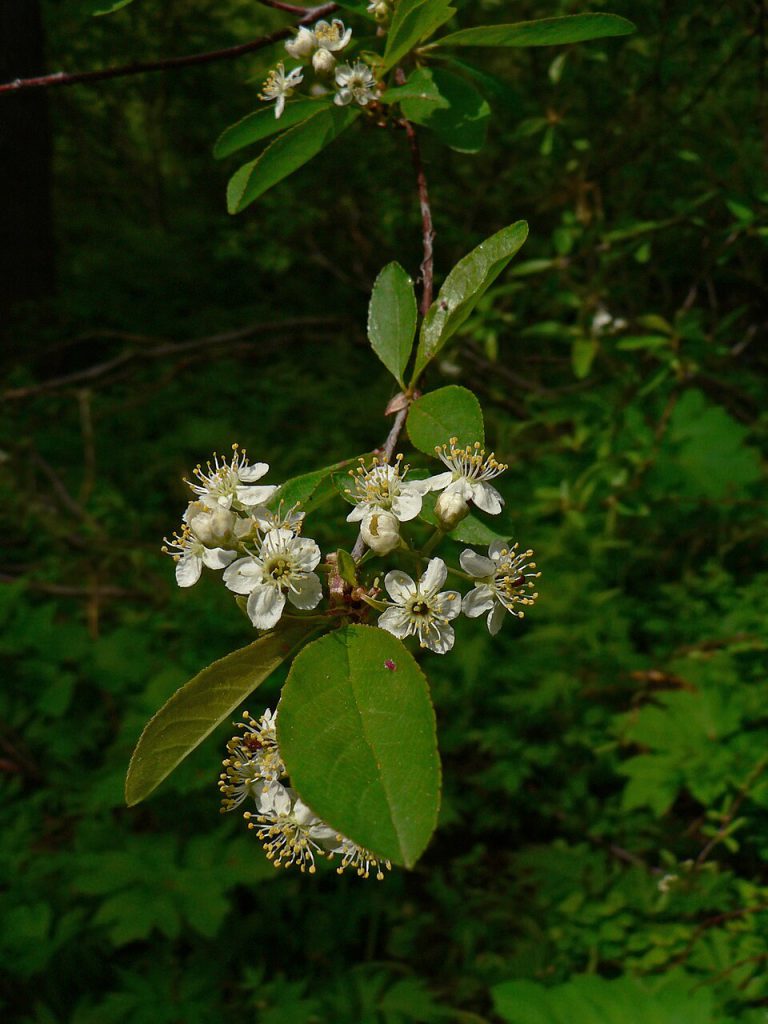
Wild and orchard cherries and plums
Wilted leaves on storm-downed branches are a cyanide hazard.
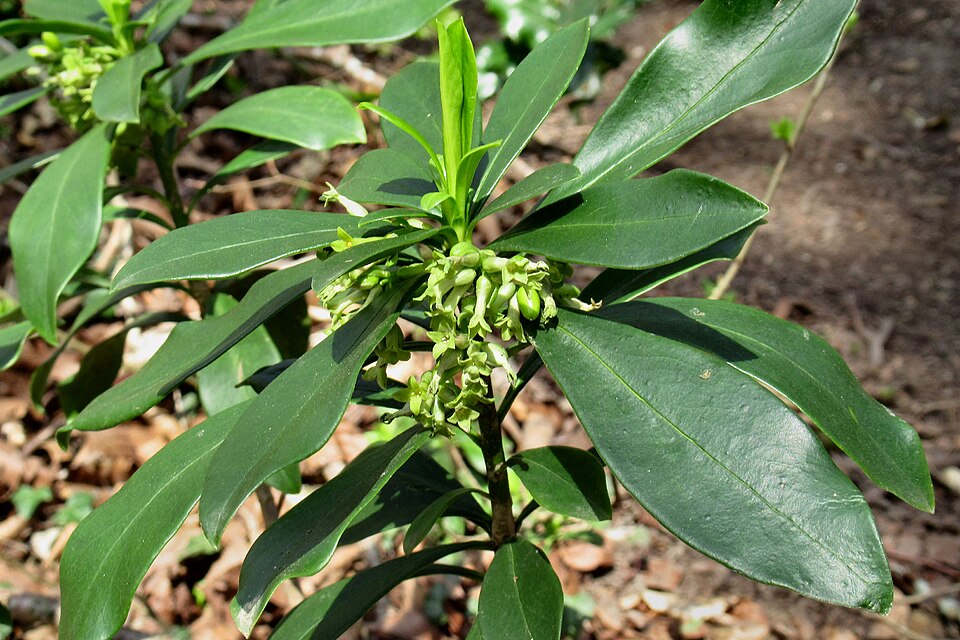
Spurge laurel (Daphne)
A shade-loving Class B noxious weed. All parts are highly toxic.
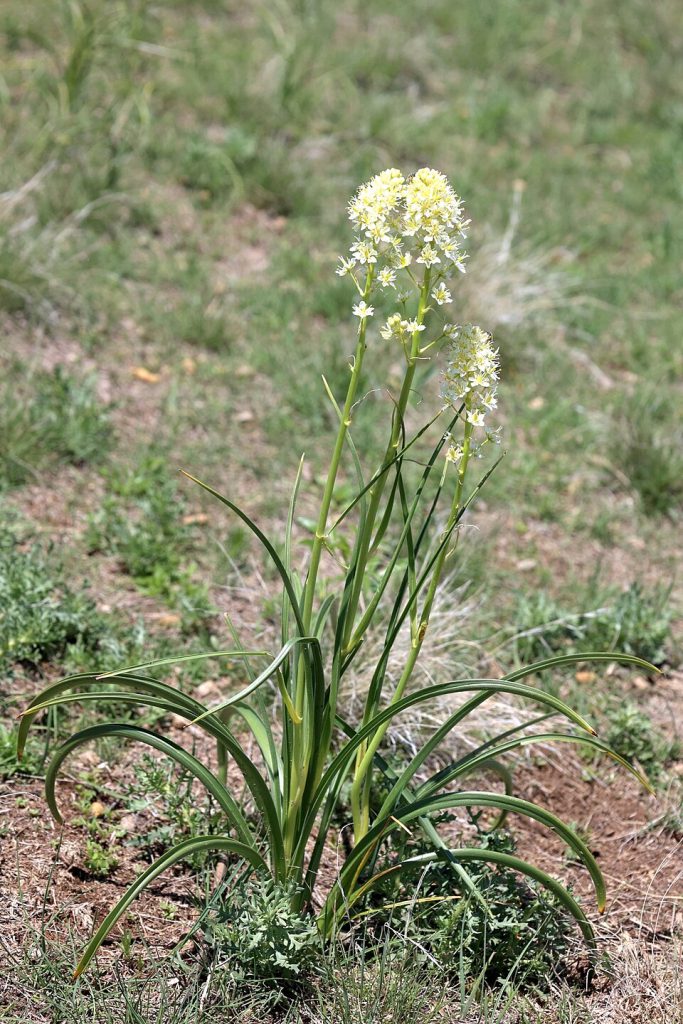
Meadow death camas
A native wildflower of South Sound prairies, growing alongside edible blue camas. Sheep are most at risk.


Toxic trees
The biggest tree risks here are yews, cherries and three maples. Leaves are often most dangerous after they wilt, so clear storm-downed branches within a day.
| Tree | Origin | Where you’ll find it | Toxic parts and notes | Most at risk | Danger |
|---|---|---|---|---|---|
| English and Japanese yew (Taxus baccata, T. cuspidata) | Introduced | Hedges, foundation plantings, cemeteries | Leaves, twigs, seeds. Fresh or dried clippings | All; donkeys, ponies, goats and alpacas are often found dead near it | High |
| Pacific yew (Taxus brevifolia) | Native | Shady understory of older conifer forests | Foliage and seeds. Less studied than garden yews; treat as dangerous | All, especially donkeys and ponies | High |
| Bitter cherry and chokecherry (Prunus emarginata, P. virginiana) | Native | Forest edges, fencelines, hedgerows | Wilted leaves, twigs, bark, pits (cyanide). Fruit flesh is safe | All grazers | High |
| Orchard and flowering cherry, plum, peach, apricot (Prunus spp.) | Introduced | Orchards, yards, street trees | Same as wild cherries. Worst after storms or pruning | All grazers | High |
| Red maple and hybrids such as ‘Autumn Blaze’ (Acer rubrum, A. × freemanii) | Introduced | Street and yard trees | Wilted or dried leaves (toxic for weeks after falling) and bark. Fresh leaves are low risk | Donkeys, ponies, alpacas. Sheep and goats are not affected | High |
| Sycamore maple (Acer pseudoplatanus) | Introduced | Parks, older yards | Seeds, seedlings and leaves cause atypical myopathy (fatal muscle damage). Worst in fall on bare pasture | Donkeys, ponies | High |
| Box elder (Acer negundo) | Introduced | Yards, riversides | Seeds; same toxin and disease as sycamore maple | Donkeys, ponies | High |
| Golden chain tree (Laburnum) | Introduced | Older yards and gardens | All parts, especially seeds and pods | All | High |
| Black walnut (Juglans nigra) | Introduced | Yards, woodlots | Wood shavings in bedding (as little as 20% can cause laminitis), hulls | Donkeys, ponies | Moderate |
| Oaks: Oregon white (Garry) oak, red oak, pin oak (Quercus spp.) | Native and introduced | South Sound prairies and oak woodlands; street trees | Green acorns, buds and young leaves in spring and fall. Can cause kidney damage | Sheep, goats, alpacas, donkeys, ponies | Moderate |
| Black locust (Robinia pseudoacacia) | Introduced | Roadsides, old homesteads | Bark, leaves, seeds | Donkeys and ponies most; all grazers; poultry | Moderate |
| Horse chestnut (Aesculus hippocastanum) | Introduced | Parks, large yards | Nuts, leaves, young shoots | All, including poultry | Moderate |
| Tree of heaven (Ailanthus altissima) | Invasive (Class C) | Vacant lots, roadsides, fencelines | Leaves and bark | All | Low |
| Apple (Malus) | Introduced | Orchards, yards | Seeds contain small amounts of cyanide. Whole apples are fine in moderation | All | Low |
Not every “red” maple is Acer rubrum. If you can’t identify a maple near donkeys, ponies or alpacas, keep its fallen leaves out of reach.
Toxic shrubs and hedges
Evergreen landscape shrubs cause more goat and sheep deaths here than anything else. They stay green in winter, when little else is.
| Shrub | Origin | Where you’ll find it | Toxic parts and notes | Most at risk | Danger |
|---|---|---|---|---|---|
| Rhododendron and azalea, including Pacific rhododendron (Rhododendron spp.) | Native and introduced | Yards, parks, forest understory | Leaves, flowers, nectar (grayanotoxin). Vomiting and bloat; deaths are common | Goats, sheep, alpacas; all | High |
| Pieris, also called lily-of-the-valley shrub or andromeda (Pieris japonica) | Introduced | Foundation plantings, shady beds | Same toxin as rhododendron. About 0.1% of body weight poisoned a goat in testing | Goats, sheep, alpacas | High |
| Other heath-family shrubs: mountain laurel, bog laurel, Leucothoe, fool’s huckleberry, Labrador tea | Native and introduced | Bogs, forests, gardens | Same toxin as rhododendron | Goats, sheep, alpacas | High |
| Cherry laurel (English laurel) and Portugal laurel (Prunus laurocerasus, P. lusitanica) | Invasive (King County weed of concern) | Hedges; escaped into urban woods | Leaves, especially wilted clippings, and seeds (cyanide) | All grazers | High |
| Spurge laurel (Daphne laureola) and winter daphne (D. odora) | Invasive (Class B) and introduced | Shady woods, yards | All parts, including berries. Sap irritates skin, so wear gloves | All | High |
| Oleander (Nerium oleander) | Introduced; survives only in sheltered spots or containers here | Patios, warm walls | All parts, fresh or dry. Smoke from burning it is toxic too | All; documented in alpacas and llamas | High |
| Red and blue elderberry (Sambucus spp.) | Native | Moist woods, fencelines | Leaves, stems, roots, unripe berries | All | Moderate |
| Boxwood (Buxus) | Introduced | Hedges, edging | Leaves | All | Moderate |
| Privet (Ligustrum) | Introduced | Hedges | Leaves, berries | All, especially donkeys and ponies | Moderate |
| Euonymus, including burning bush | Introduced | Yards, hedges | Leaves, fruit | All | Moderate |
| Heavenly bamboo (Nandina) | Introduced | Landscaping, containers | Berries and leaves (cyanide) | Poultry; grazers | Moderate |
| Photinia, including red tip (Photinia × fraseri) | Introduced | Hedges | Leaves, mainly when wilted (cyanide) | Grazers | Moderate |
| Scotch broom (Cytisus scoparius) | Invasive (Class B) | Roadsides, prairies, clearcuts | All parts, especially seeds | Donkeys, ponies, sheep, poultry | Moderate |
| Lantana (grown here as a summer annual) | Introduced | Hanging baskets, containers | Leaves and berries. Liver damage and sunburn-like skin reactions | Sheep, goats, donkeys, ponies | Moderate |
| Hydrangea | Introduced | Yards | Leaves, buds | All | Low |
| English holly (Ilex aquifolium) | Invasive | Woods, yards | Berries, leaves | All | Low |
| Cotoneaster | Introduced | Groundcover, hedges | Berries and leaves | All | Low |
| Snowberry (Symphoricarpos albus) | Native | Hedgerows, woods | Berries | Poultry | Low |
Garden flowers, bulbs and vines
Keep flower beds fenced off from free-ranging animals. Never put spent bulbs or deadheaded flowers in the scrap bucket.
| Plant | Origin | Where you’ll find it | Toxic parts and notes | Most at risk | Danger |
|---|---|---|---|---|---|
| Foxglove (Digitalis purpurea) | Introduced; widely naturalized | Clearcuts, roadsides, gardens | All parts, fresh or dried (heart toxin) | All | High |
| Monkshood, including native Columbia monkshood (Aconitum) | Native and introduced | Gardens, mountain meadows | All parts | All | High |
| Larkspur and delphinium, including native Menzies’ larkspur | Native and introduced | Gardens, prairies | All parts; young plants and seeds most toxic | Sheep, donkeys, ponies | High |
| Lily of the valley (Convallaria) | Introduced | Shady gardens | All parts (heart toxin) | All | High |
| Autumn crocus (Colchicum) | Introduced | Gardens | All parts, especially the bulb | All | High |
| Castor bean (grown here as a summer annual) | Introduced | Ornamental beds | Seeds especially | All, including poultry | High |
| Jimsonweed and angel’s trumpet (Datura, Brugmansia) | Introduced; angel’s trumpet is a container plant here | Barnyards and waste ground (jimsonweed); patios | All parts. Seeds can contaminate feed | All | High |
| Lupines (many native species, plus garden lupines) | Native and introduced | Prairies, roadsides, gardens | Seeds and young plants. Some species cause birth defects | Sheep most; goats, alpacas, donkeys, ponies, pigs | Moderate |
| Milkweed, including showy milkweed planted for monarchs | Native to WA; planted west of the Cascades | Pollinator gardens, ditches | Leaves, pods, seeds, sap (heart toxin) | Sheep most; all | Moderate |
| Daffodil and narcissus | Introduced | Gardens, old homesites | Bulbs most; also leaves and flowers | All; pigs dig up bulbs | Moderate |
| Star-of-Bethlehem (Ornithogalum umbellatum) | Introduced; spreads in lawns | Lawns, borders | Bulbs, leaves | All | Moderate |
| Hellebore (Lenten rose) | Introduced | Shady gardens | All parts | All | Moderate |
| Bleeding heart, including native Pacific bleeding heart | Native and introduced | Shady gardens, woods | Leaves, roots | Sheep; all | Moderate |
| Garden spurges (Euphorbia) | Introduced | Gardens, rock gardens | Milky sap irritates mouth and skin | All | Moderate |
| Wisteria | Introduced | Arbors, fences | Seeds and pods | All | Moderate |
| Sweet pea (Lathyrus odoratus) | Introduced | Gardens, fences | Seeds | All | Moderate |
| Tulip and hyacinth | Introduced | Gardens | Bulbs most | All | Low |
| Iris, including yellow flag iris (Class C) | Introduced | Gardens, pond and ditch edges | Rhizomes, leaves | All | Low |
| English ivy (Hedera helix) | Invasive (Class C) | Fences, trees, woods | Leaves and berries. Goats often nibble it safely, but large amounts cause upset | All | Low |
| Clematis | Introduced | Fences, arbors | Leaves (mouth irritation) | Poultry; all | Low |
Pasture, roadside, woodland and wetland weeds
These are the plants to watch for in your own pasture, along fencelines and in your hay. Several stay toxic after drying, so bad hay can poison animals that would never touch the live plant.
| Weed | Origin | Where you’ll find it | Toxic parts and notes | Most at risk | Danger |
|---|---|---|---|---|---|
| Poison hemlock (Conium maculatum) | Invasive (Class B) | Ditches, roadsides, field edges | All parts. Dried stalks stay toxic for up to 3 years. Purple-spotted stems, mousy smell | All, including poultry; pigs find it tasty | High |
| Western water hemlock (Cicuta douglasii) | Native | Stream banks, wet ditches, pond edges | Roots most toxic; early spring is worst. Still toxic dried | All | High |
| Tansy ragwort (Jacobaea vulgaris) | Invasive (Class B; control required in King County) | Pastures, roadsides, clearcuts | All parts, flowers most. Equally toxic in hay. Liver damage shows up months later | Donkeys and ponies most; goats, sheep, alpacas | High |
| Meadow death camas (Toxicoscordion venenosum) | Native | South Sound prairies (Thurston County), alongside blue camas | All parts, especially bulbs. Emerges early spring. Toxic in hay | Sheep most; all, including poultry | High |
| Arrowgrass (Triglochin spp.) | Native | Salt marshes, wet meadows, river deltas | Whole plant (cyanide). Worse after frost or drought | Sheep; all grazers | High |
| Cocklebur (Xanthium strumarium) | Introduced | Ditches, pond and river edges | Seedlings at the two-leaf stage, and burs in feed | Pigs most; all | High |
| False hellebore, also called corn lily (Veratrum) | Native | Wet meadows, mostly in the mountains | Whole plant. Birth defects in lambs | Sheep, goats | High |
| Redroot pigweed (Amaranthus retroflexus) | Introduced | Gardens, barnyards, manure piles | Whole plant. Kidney failure in pigs; nitrates in ruminants | Pigs, sheep, goats, alpacas | Moderate |
| Bracken fern (Pteridium aquilinum) | Native | Everywhere: woods, clearings, pastures | Fronds and rhizomes, especially in hay. Vitamin B1 loss in equines and pigs; bleeding in sheep | Donkeys, ponies, pigs, sheep | Moderate |
| Horsetail (Equisetum spp.) | Native | Wet ground, ditches | All parts; may be more toxic dried in hay. Vitamin B1 loss | Donkeys, ponies | Moderate |
| Common groundsel (Senecio vulgaris) | Invasive (Class C) | Gardens, disturbed ground | Same liver toxin as tansy ragwort. Persists in hay | Donkeys, ponies | Moderate |
| Bittersweet nightshade (Solanum dulcamara) | Invasive (King County weed of concern) | Stream banks, hedges, fences | Berries (especially green) and leaves | All | Moderate |
| Black nightshade (Solanum nigrum) | Introduced | Gardens, barnyards | Leaves, green berries | All | Moderate |
| St. John’s wort (Hypericum perforatum) | Invasive (Class C) | Roadsides, dry pastures | Whole plant, fresh or dry. Severe sunburn on light skin | Sheep, alpacas, donkeys, ponies, poultry | Moderate |
| Alsike clover (Trifolium hybridum) | Introduced | Pastures, hay | Sunburn-like skin reactions and liver damage | Donkeys, ponies | Moderate |
| Sweet clover (Melilotus spp.) | Introduced | Roadsides, some hay | Moldy hay or silage only; causes bleeding | All grazers | Moderate |
| Milk thistle (Silybum marianum) | Invasive (Class A) | Disturbed ground | All parts (nitrates) | Sheep, goats, alpacas | Moderate |
| Western baneberry (Actaea rubra) | Native | Shady moist forests | Berries and roots | All | Moderate |
| Common tansy (Tanacetum vulgare) | Invasive (Class C) | Roadsides, fencelines | Leaves and flowers | Poultry; all | Low |
| Creeping and tall buttercup (Ranunculus spp.) | Introduced | Wet pastures; extremely common west of the Cascades | Fresh plant only; safe once dried in hay | All | Low |
| Lamb’s quarters (Chenopodium album) | Introduced | Gardens, disturbed soil | Oxalates and nitrates in large amounts | Sheep, goats, pigs | Low |
| Curly dock and sheep sorrel (Rumex spp.) | Introduced | Pastures, gravelly soil | Leaves and stems (oxalates) | Sheep, goats | Low |
| Wild mustards (several species) | Introduced | Fields, roadsides | Seeds most | All grazers | Low |
| Skunk cabbage (Lysichiton americanus) | Native | Swamps, wet woods | Mouth irritation (oxalate crystals) | All | Low |
Some plants harm by injury rather than poison. Thistles, foxtails and cheatgrass seed heads can lodge in mouths, eyes and skin, even in hay.
Garden vegetables, cover crops and kitchen scraps
The vegetable garden and the scrap bucket are where chickens and pigs most often get into trouble.
| Plant | Toxic parts and notes | Most at risk | Danger |
|---|---|---|---|
| Potato | Green skins, sprouts, leaves and vines (solanine). Cooked, unblemished potatoes are fine | Pigs, poultry; all | Moderate |
| Rhubarb | Leaves (oxalates). Stalks are less of a concern | Poultry, goats; all | Moderate |
| Onions, garlic, leeks, chives (and native wild onions) | All parts, raw or cooked. Repeated feeding damages red blood cells | Sheep, goats, alpacas, donkeys, ponies; poultry in large amounts | Moderate |
| Raw or undercooked dried beans | Lectins. Cook thoroughly before feeding | Poultry, pigs | Moderate |
| Sorghum-sudangrass (summer cover crop) | Cyanide in young or frosted plants under 2 ft; nitrates | All grazers; donkeys, ponies | Moderate |
| Buckwheat (cover crop) | Severe sunburn on light skin | Pigs (especially white breeds), sheep | Moderate |
| Comfrey (often grown as a homestead feed plant) | Same liver toxin as tansy ragwort. Damage builds with regular feeding | All | Moderate |
| Tomato | Leaves, vines and green fruit. Ripe tomatoes are fine | All | Low |
| Fruit pits and seeds (cherry, plum, peach, apricot, apple) | Cyanide when crushed or chewed | All | Low |
| Kale, cabbage, turnips, other brassicas | Large amounts over time can cause goiter and anemia. Fine in moderation | Sheep, goats | Low |
Avocado can’t grow here, so it isn’t in these lists. But store-bought avocado skins and pits are toxic to birds, goats and alpacas, so keep them out of the scrap bucket. Moldy feed, bread or produce is a bigger risk than most plants on this page.
Quick lists by animal
Each list below is short enough to drop onto that species’ beginner guide, with a link back to the full tables.
Chickens
Free-range chickens rarely eat enough of a toxic plant to get sick. Most problems come from scraps or from bored, confined birds.
Watch for: castor bean, foxglove, yew, nightshades, green potato peels, raw dried beans, rhubarb leaves, poison and water hemlock, death camas, daffodil and tulip bulbs, heavenly bamboo berries, black locust, horse chestnut, St. John’s wort.
Ducks and geese
Waterfowl graze more than chickens do and spend time on wet ground, where some of the worst plants grow.
Watch for: water hemlock, poison hemlock, bittersweet nightshade, buttercups, yellow flag iris, foxglove, yew, castor bean, green potato peels, raw dried beans, rhubarb leaves.
Turkeys
Use the chicken list. Turkeys range farther, so walk fencelines and field edges for hemlock and nightshade before turning them out.
Sheep
Sheep graze close to the ground and eat what’s in front of them on a bare pasture.
Watch for: rhododendron, azalea and Pieris; yew; cherry laurel and wilted cherry or plum leaves; meadow death camas; lupine; larkspur; green acorns; arrowgrass; milkweed; St. John’s wort; bracken fern; poison and water hemlock; tansy ragwort; onions; dock and other oxalate weeds.
Goats
Goats browse shrubs, so ornamental hedges are their biggest risk. Make sure neighbors know never to toss clippings over the fence.
Watch for: rhododendron, azalea and Pieris (the top cause of goat poisoning); yew; cherry and Portugal laurel; spurge laurel; oleander; wilted cherry or plum leaves; foxglove; poison and water hemlock; lupine; milkweed; nightshades; tansy ragwort; onions.
Swine
Pigs root, so they find bulbs and roots that other animals never reach.
Watch for: redroot pigweed; cocklebur seedlings; poison hemlock (pigs find it tasty); nightshades and green potatoes; jimsonweed; bracken fern; daffodil and other bulbs; castor bean; tansy ragwort; buckwheat (sunburn in light-skinned pigs).
Donkeys and ponies
Smaller equines can be poisoned by smaller amounts than a full-size horse. Several of these trees are dangerous only after their leaves or seeds fall.
Watch for: wilted red maple leaves; sycamore maple and box elder seeds; yew; tansy ragwort; black walnut shavings; alsike clover; bracken fern and horsetail in hay; black locust; oak; golden chain tree; foxglove; oleander; rhododendron; poison and water hemlock; Scotch broom; young sorghum-sudangrass; onions.
Alpacas (and llamas)
Camelids are picky eaters, but they often don’t show signs of poisoning until it’s advanced.
Watch for: rhododendron, azalea and Pieris; oleander; yew; wilted red maple leaves; cherry laurel and wilted cherry leaves; foxglove; poison and water hemlock; lupine; nightshades; green acorns; tansy ragwort; St. John’s wort; death camas; onions.
Exotics
Start with the closest relative’s list: the chicken list for quail, guinea fowl and peafowl, and the alpaca list for llamas. For emus, rabbits and other less common animals, check with a vet who treats that species.
Keeping your animals safe
- Walk your fencelines every season. Identify plants before pulling them, and check what’s growing just over the fence too.
- Never feed yard clippings. Ask neighbors not to toss trimmings over the fence. A friendly sign helps.
- Clear storm debris fast. Pick up downed maple, cherry and plum branches within a day, before the leaves wilt.
- Keep animals well fed. Hungry animals on bare winter pastures eat plants they would normally avoid. Offer hay when grass runs short.
- Inspect your hay. Look for tansy ragwort, hemlock, horsetail and bracken. Ask your supplier where it was grown.
- Remove poison hemlock safely. Wear gloves, bag the plants and put them in the trash. Never compost them.
- Get free help with ID. The Snohomish, King, Pierce and Thurston county noxious weed boards and WSU Extension offices can identify plants for you.
Sources
- Selected Poisonous Plants of the Pacific Northwest, WSU Extension
- Protect Your Horses and Livestock From Toxic Plants, Washington State Noxious Weed Control Board
- Tansy ragwort, Washington State Noxious Weed Control Board
- King County Noxious Weed List
- Spurge laurel, Cherry laurel and Bittersweet nightshade, King County Noxious Weed Control Program
- Priority Weeds brochure (poison hemlock), Kitsap County Noxious Weed Control Board
- Western waterhemlock, Pacific Northwest Extension
- Meadow deathcamas, Pacific Northwest Extension; Camas is blooming, JOLT News
- Plants Poisonous to Livestock in the Western States, USDA Agriculture Information Bulletin 415
- The Truth About Red Maple Leaf Toxicity, Tufts Cummings School of Veterinary Medicine
- Red Maple Poisoning in Horses and Trees Identified as Cause of Atypical Myopathy, Kentucky Equine Research
- Plant poisoning in goats, UK-Vet Livestock
- The poisonous western yew, UW Elisabeth C. Miller Library; Yew in Idaho, Idaho Department of Fish and Game
- Pigweed Poisoning and Cocklebur Poisoning, Iowa State University
- Plant Poisoning in Llamas and Alpacas, Murray E. Fowler, DVM
- Oleander, Sunset
- ASPCA Animal Poison Control