
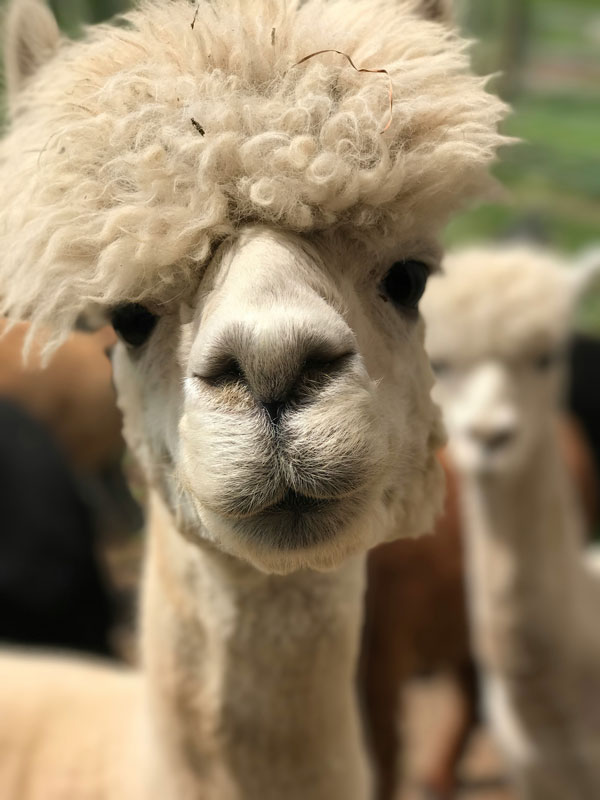
Good for
- Fiber: soft fleece for spinning and selling
- Gentle, quiet companions
- Light grazing that’s easy on pasture
- Manure for the garden
- Guarding sheep and goats (llamas)
- Packing and trail hiking (llamas)
PASTURE
5–10 alpacas
or 2–4 llamas per acre
With rotational grazing
SIZE
Alpacas 100–175 lb
llamas 250–450 lb
KEEP AT LEAST
2–3 (or 1 guard llama)
Herd animals; one alone gets stressed
LIFESPAN
15–25 yrs
Best breeds by goal
| Goal | Best fit |
|---|---|
| Fiber volume | Huacaya alpaca |
| Luxury, silky fiber | Suri alpaca |
| Quiet companions | Huacaya alpaca geldings |
| Guarding sheep or goats | Classic llama (one gelded male) |
| Packing and trail hikes | Classic llama |
| Fiber plus a hardy, larger animal | Woolly llama |
| Breeding | Registered females of either species |
Alpacas and llamas to consider
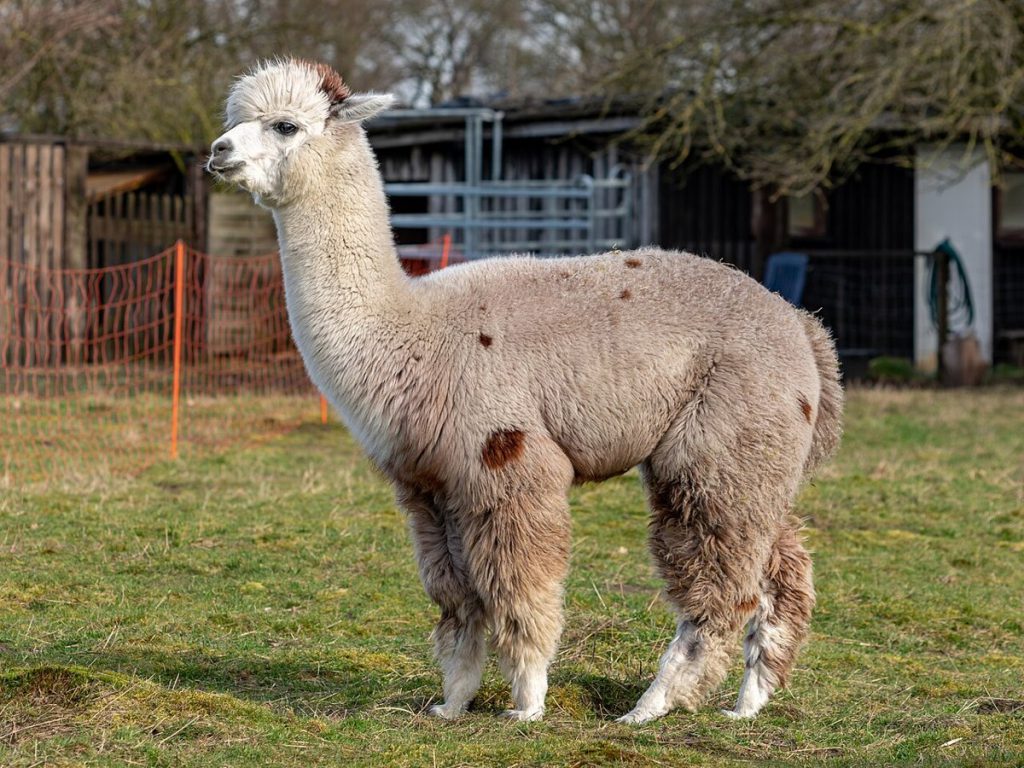
Huacaya alpaca
Fluffy fleece · most common
About 90% of alpacas are huacaya. Their dense, crimpy fleece grows straight out from the body, giving the teddy-bear look.
Best for: Fiber, companions, first-time owners
Size: 100–175 lb, about 3 ft at the shoulder
Temperament: Gentle and shy; herd animals that don’t love being petted
Noise: Very quiet; they hum and give an alarm call at predators
PNW and small acreage: Five to ten fit on an acre, and their soft feet are easy on wet ground; they still need a run-in shelter
Watch out: Must be shorn every spring or they overheat in summer
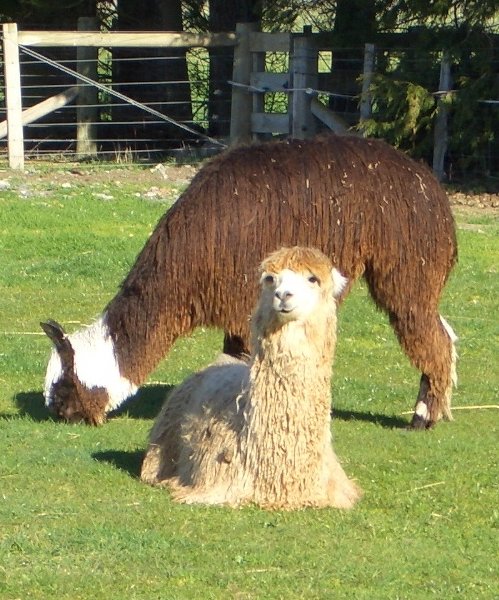
Suri alpaca
Silky locks · rarer
Suri fleece hangs in long, silky locks with high luster. Rarer and often pricier; spinners prize the fiber.
Best for: Luxury fiber, breeding
Size: 100–175 lb, about 3 ft at the shoulder
Temperament: Gentle and shy
Noise: Very quiet
PNW and small acreage: The fleece parts down the back, so cold rain reaches the skin more than with huacayas; good shelter matters
Watch out: Harder to find and more expensive
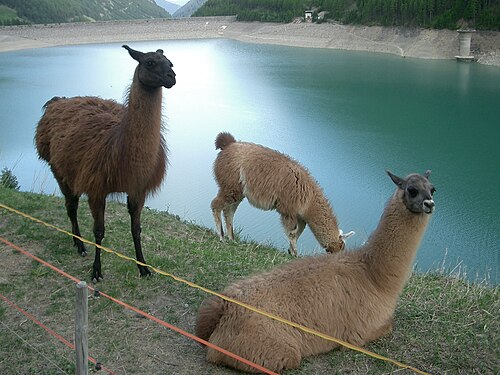
Classic llama
Guardian · packer
The traditional working llama, with a light, short coat on the body and a sleek head and legs. The type used for guarding and packing.
Best for: Guarding sheep and goats, packing, companions
Size: 250–450 lb, about 3.5–4 ft at the shoulder
Temperament: Confident, alert and independent; gelded males are steady
Noise: Quiet; a loud alarm call when a predator shows up
PNW and small acreage: Hardy in cold, wet weather; plan on 2–4 per acre and 5-foot fencing
Why it’s great: One gelded llama can protect a small flock from coyotes and dogs
Woolly llama
Fiber · hardy
A llama with a heavier, softer fleece over most of the body, including the neck and often the legs.
Best for: Fiber, companions
Size: 250–450 lb
Temperament: Calm and curious
Noise: Quiet
PNW and small acreage: The thick coat sheds rain well but holds heat, so shear before July
Watch out: Needs shearing every year, like an alpaca, and the fiber is coarser than alpaca
Alpacas vs llamas
| Alpacas | Llamas | |
|---|---|---|
| Size | 100–175 lb, about 3 ft at the shoulder | 250–450 lb, 3.5–4 ft at the shoulder |
| Main uses | Fiber, companions, breeding | Guarding, packing, fiber, companions |
| Fiber | Fine, soft and valuable | Coarser and worth less (woolly types are finer) |
| Shearing | Every spring | Every 1–2 years, or a trim |
| Temperament | Shy and herd-bound | Confident and independent |
| Guarding | No, too small | Yes, one gelded male per flock |
| Packing | No | Yes, about 25% of body weight |
| Animals per acre | 5–10 | 2–4 |
| Fencing | 4–5 ft no-climb | 5 ft |
| Hay per day | About 2–4 lb | About 5–8 lb |
| Lifespan | 15–20 years | 15–25 years |
| Noise | Very quiet | Quiet |
Why choose alpacas
- Finer fiber. Alpaca fleece is softer and sells for more.
- Smaller and easier to handle. Easier for kids and older owners, with lower fences and smaller shelters.
- Less feed and space. About half the hay and land of a llama.
- Gentle herd animals that are calm in a family setting.
Why choose llamas
- Guardians. A single gelded llama is a proven guard for sheep and goats against coyotes and dogs.
- Packing and hiking. A grown llama can carry about 25% of its body weight on the trail.
- Hardier and less fuss. Bigger and tougher in wet, cold weather, and many need only a light trim instead of a full shearing.
- Can live with other livestock. A guard llama lives with your flock instead of needing its own herd.
Good to know for both
- Both are herd animals. Keep alpacas in groups of at least two or three; a llama should only live without other llamas when it is guarding a flock.
- Intact males of either species can become aggressive, especially if bottle-raised. Buy gelded males unless you plan to breed.
- Llamas need about twice the space, feed and shelter of an alpaca.
Find Local Alpaca & Llama Breeders
Visit the farm, meet the herd and ask about registration, shearing and after-sale support.
Getting started
Alpacas or llamas? What changes
- Herd size: Alpacas need at least two or three together. Llamas kept as pets also need a buddy; a single gelded llama is only alone when it is guarding a flock of sheep or goats.
- Fencing: 4–5 ft no-climb fence works for alpacas; plan on 5 ft for llamas.
- Shelter: A three-sided run-in shed with about 20–25 sq ft per alpaca, or about 40 sq ft per llama, facing away from the winter wind.
- Feed: Both eat mostly grass and grass hay, about 1.5–2% of body weight a day: roughly 2–4 lb for an alpaca and 5–8 lb for a llama, plus camelid minerals.
- Setting up a guard llama: Choose one gelded male, introduce him across a fence for a week or two, then turn him in with the flock. One llama per flock works best; two llamas often bond with each other instead of the sheep.
Here’s a checklist for starting an alpaca farm in the Pacific Northwest (PNW), where the climate is well-suited for alpacas:
1. Research and Education
- Learn about alpaca breeds: Huacaya and Suri.
- Huacaya have “teddy bear” look with fluffy fleece while Suri fleece is long and silky.
- Huacayas generally require less maintenance in our wet climate as Suri fleece is more prone to matting.
- Understand alpaca behavior, care, and herd dynamics.
- Take classes or visit existing alpaca farms for firsthand experience.
- Join alpaca associations (e.g., Alpaca Owners Association).
2. Legal and Zoning Requirements
- Check local zoning laws and permits for livestock. Visit our page of local PNW regulations
- Verify water rights if irrigation or large water use is needed.
- Register your farm as a business if planning to sell alpacas, fleece, or other products. Submit your products or services here!
3. Land and Infrastructure
- Land requirements:
- 1-2 acres can support 4-10 alpacas (with rotational grazing).
- Shelter:
- Build a simple three-sided shelter or barn for protection against wind, rain, and predators.
- Ensure proper ventilation to prevent respiratory issues.
- Fencing:
- Use 4-5 ft high, no-climb fencing to protect from predators (e.g., coyotes).
- Check for secure gates.
- Pasture setup:
- Divide pastures for rotational grazing. If not enough land, may need to stable periodically to promote health forage.
- Maintain grass height and remove toxic plants.
- Fencing: Never use barbed wire.
4. Nutrition and Water
- Provide access to quality hay and pasture.
- Supplement with alpaca-specific mineral blends.
- Ensure clean, fresh water is always available.
- How much: 1.5–2% of body weight in dry feed a day, depending on age, condition and feed quality.
5. Herd Health
- Establish a relationship with a local livestock veterinarian experienced with alpacas.
- Alpacas should be sheared every year before hot weather. See our list of PNW shearers
- Create a vaccination schedule with CD&T (once a year) and dewormers (two or more times a year).
- Learn to trim toenails and check teeth.
- Stock basic medical supplies (e.g., anti-parasitics, bandages).
- Toenails: Trim every 2–3 months.
6. Breeding and Herd Management
- Start with a small herd (3-5 alpacas).
- Keep at least two alpacas, as they are herd animals and require companionship.
- Separate males and females unless breeding.
- Research breeding practices if planning to grow your herd.
7. Fiber Production
- Set up for annual shearing (spring).
- Learn about cleaning, carding, and spinning alpaca fiber.
- Explore local or online markets for selling raw fleece, yarn, or handmade products.
8. Predator Management
- Implement measures to deter predators, such as:
- Livestock guardian animals (e.g., llamas, dogs).
- Motion-activated lights or alarms.
9. Climate and Environmental Needs
- Prepare for PNW weather (wet winters and mild summers):
- Avoid waterlogged pastures; ensure good drainage.
- Provide extra hay during winter.
- Avoid overheating in summer; provide shade and cool water.
10. Business Considerations (Optional)
- Decide on your primary focus: breeding, fleece production, agritourism, etc.
- Develop a marketing plan (website, social media, farm tours).
- Track expenses and income for tax purposes.
11. Community and Support
- Network with local alpaca farmers for advice and support.
- Attend regional alpaca shows and events.
- Build relationships with local suppliers (hay, minerals, equipment). see our list of local PNW suppliers
Care
Care differences for llamas
- Shearing: Alpacas need a full shearing every spring. Llamas range from a light trim every year or two (classic) to full yearly shearing (woolly). Either way, finish before hot weather.
- Toenails and teeth: Trim toenails on both every 2–3 months. Males of both species grow sharp “fighting teeth” that a vet should trim.
- Heat: Llamas are bigger and hold more heat, so provide shade, fans in the barn and fresh water on hot August days.
- Dosing: Llamas are two to three times heavier than alpacas. Weigh them, or use a weight tape, before giving dewormers or other medicine.
- Body condition: Fleece hides weight changes. Feel along the backbone and ribs every month on both species.
Care and maintenance schedule
An example schedule for the Pacific Northwest. Treat it as a starting point and adjust it to your animals, your weather and your vet’s advice.
Alpacas need toenails trimmed every 2–3 months, shearing once a year, winter vitamin D in the Northwest, and deworming guided by eyelid checks and fecal tests; the monthly meningeal-worm injections common back East aren’t needed here.
| When | Tasks |
|---|---|
| Daily | Water, hay, headcount; check that every animal comes to the feeder (alpacas hide illness); look at dung piles for loose stool |
| Weekly | Clean dung piles (alpacas use shared piles, which makes this easy and is the best worm control); refill camelid mineral |
| Every 2–3 weeks (May–Oct) | Eyelid color check (FAMACHA scoring if you’re trained); treat only anemic animals |
| Monthly | Body condition score by feel (fleece hides weight loss); check eyes and teeth |
| Every 2–3 months | Trim toenails |
| Every 6 months | Fecal egg count, including tests for whipworm and coccidia (E. mac) that a standard float may miss |
| Yearly | Shear (May); CD&T booster; trim teeth if overgrown; trim fighting teeth on intact males; weigh |
Seasonal calendar (Pacific NW)
- Spring: Shear in May, before heat. CD&T boosters. Crias born in spring get CD&T at about 3 months and a booster 3–4 weeks later.
- Summer: Alpacas overheat easily: shade, fans, a kiddie pool or hose for bellies. Heat stress is a real killer above about 80°F with high humidity.
- Fall: Start vitamin D (paste or injection, vet-guided) from about October through March; crias and young stock are most at risk of rickets in the cloudy Northwest. Fall fecal test.
- Winter: Dry shelter and dry ground; alpacas tolerate cold but wet fleece mats and chills them.
Deworming
Worms have become resistant to every main dewormer family, so the old advice of deworming on a calendar and rotating brands no longer works. This page explains the current approach and lists dewormer options for each animal on this site. Doses are left out on purpose: many uses are off-label, so your vet sets the dose and the withdrawal time.
How to deworm today
Deworming has changed. Calendar deworming (“every 2 months, rotate brands”) is now discouraged for every species here because worms have become resistant to all of the main drug classes. The current approach for sheep, goats, alpacas, donkeys and ponies is:
- Check before you treat. Use fecal egg counts (FEC) and, for sheep, goats and alpacas, FAMACHA eyelid scores to find the animals that actually need it.
- Treat only those animals. Leaving healthy animals untreated keeps some drug-sensitive worms on the pasture, which slows resistance.
- Treat with a full dose by weight. Weigh or tape the animal. Under-dosing breeds resistance.
- Test whether it worked. A fecal egg count reduction test (a second FEC 10–14 days after treatment) tells you which drugs still work on your farm. An effective dewormer cuts the egg count by 95% or more.
The three main dewormer families (for sheep, goats and alpacas; names repeat in later sections):
| Family | Common products | Notes |
|---|---|---|
| Benzimidazoles (“white” dewormers) | Fenbendazole (Safe-Guard, Panacur), albendazole (Valbazen) | Also hit tapeworms. Albendazole: not in the first 45 days of pregnancy |
| Macrocyclic lactones | Ivermectin (Ivomec), moxidectin (Cydectin), doramectin (Dectomax) | Moxidectin is the strongest; save it |
| Imidazothiazoles | Levamisole (Prohibit) | Smallest safety margin; dose carefully |
About FAMACHA: FAMACHA is a card for scoring eyelid color in sheep, goats and camelids. Using it requires a short certification, so it’s optional. Without it, check eyelids and gums for pale color, watch for bottle jaw and weight loss, and use fecal egg counts through your vet or a mail-in lab.
Dewormer options (all off-label in alpacas; vet sets doses)
| Product (family) | Treats | Small-farm notes |
|---|---|---|
| Fenbendazole – Safe-Guard, given 3–5 days in a row (white) | Whipworms, Nematodirus, tapeworms | Pick for whipworms, a common alpaca problem |
| Moxidectin – Cydectin (ML) | Barber pole worm and most stomach worms | Pick for barber pole worm; often given by mouth |
| Ivermectin or doramectin injection (ML) | Stomach worms; mites | Monthly use only in meningeal-worm areas (eastern US) |
| Levamisole – Prohibit | Stomach worms | Useful in combinations; narrow safety margin |
| Albendazole – Valbazen (white) | Worms and liver flukes | Not in early pregnancy |
| Ponazuril (Marquis) or toltrazuril | Coccidia incl. E. mac | Rx; for coccidia, not worms |
Recommendation: Do fecal tests twice a year and FAMACHA checks in summer, and treat individuals. Use moxidectin (or a moxidectin-plus-levamisole combination) for barber pole worm and a multi-day fenbendazole course for whipworms. Meningeal worm comes from white-tailed deer and historically has not been a problem west of the Mississippi, so skip routine monthly ivermectin here; ask your vet to confirm for your area.
Sources
- ACSRPC / wormx.info: Proper Use of Dewormers (combination treatments, dewormer classes)
- wormx.info: dewormer dose charts for sheep, goats and camelids
- Susan Schoenian, University of Maryland Extension: dewormer classes and approvals (2023)
- AAEP Internal Parasite Control Guidelines (revised May 2024)
- Merck Animal Health: Safe-Guard AquaSol for chickens (label summary)
- dvm360: FDA approves fenbendazole dewormer for home use in chickens (Nov 2024)
- Hobby Farms: treating internal parasites in chickens (piperazine, hygromycin)
- AOA Alpaca Academy: meningeal worm literature review (range and prevention)
Selenium, vitamin D and prescription-antibiotic notes carry over from the Beginner Starter Kits by Species doc and its sources. Check current labels before buying: product names, approvals and withdrawal times change.
Starter kit
The bare-necessities tools and health supplies for each species, not counting fencing, housing or feed. Antibiotics are prescription-only, so line up a livestock vet before you buy animals. Dewormer doses for goats, alpacas and waterfowl are off-label, so get those from your vet.
Every kit
- Digital thermometer
- Nitrile gloves
- Wound spray (Vetericyn Plus or Blu-Kote)
- Gauze, vet wrap, bandage scissors
- Syringes and needles
- Electrolytes
Alpacas kit
- Camelid halter and lead (they breathe only through the nose)
- Toenail trimmers
- Dewormer, dosed by your vet
- FAMACHA card (optional; using one takes a short training)
- Drench syringe
- CD&T vaccine
- Vitamin D for winter, dosed by your vet
- Probiotic paste
- Book a shearer for spring
Product names are common examples, not endorsements; check current labels before buying, since names and Rx status change.
Buying guide
Buying a llama
- Guard llama: Buy a gelded male at least two years old, raised in a herd (not bottle-raised), and ask if he has guarded livestock before.
- Pack llama: Look for straight legs, a strong back and a calm attitude on a halter. Llamas shouldn’t carry full loads until about three years old.
- Registration: Llamas are registered with the International Lama Registry (ILR); alpacas with the Alpaca Registry (ARI). Registration matters most if you plan to breed.
- Temperament check: Walk the animal on a halter and handle its feet. An adult male that pushes into you or charges is a red flag.
How to buy healthy alpacas
A healthy animal from a good seller saves you vet bills and heartache. Print this checklist and take it with you: it covers what to have ready at home, what to ask and check at the farm, and what to do in the first weeks.
Alpaca buying checklist
Seller: ______________________ Date: ____________ Animal(s): ______________________
Get ready at home
- Confirm your county and city allow this animal on your lot, and how many (see our Regulations page)
- Housing and fencing are built and ready before the animals arrive
- A livestock vet is lined up (ask about new-client exams and after-hours calls)
- A separate quarantine pen or stall is ready for new arrivals
- Feed, water containers and bedding are on hand for the first week
- Transport is arranged: a crate, trailer or vehicle that is clean and secure
- Your budget covers the animal, supplies, vet visits and feed for the first year
At the farm
- Visit the farm in person and see the animals where they live
- Ask to see the parents or the rest of the herd or flock
- Check that pens and housing look clean and dry
- Watch the animals move, eat and interact before you handle them
- Ask how old the animal is and why it is for sale
- Ask about vaccination, deworming and any diseases in the herd or flock
- Ask for health, breeding and registration records where they exist
- Get a written bill of sale with date, price, age, sex and any health guarantee
- Don’t feel rushed. Walk away if something looks wrong
Check the animal
- Buy at least two; alpacas are herd animals and get stressed alone
- Ask for registration and birth records where they exist
- Check the bite (teeth alignment) and toenails
- Feel body condition through the fleece, along the spine and ribs
- Check eyes, nostrils and breathing for discharge or coughing
- Ask about shearing history and fiber quality
- Ask about winter vitamin D, deworming and meningeal worm prevention in your area
After you bring them home
- Quarantine new animals away from your existing animals for at least 30 days
- Book a vet check or fecal test within the first week or two
- Watch appetite, droppings, breathing and behavior every day at first
- Keep the first days calm, with clean feed and water
General guidance from The Modest Acre. Ask your vet about anything specific to your animals.



Alpaca record
Fill this in on screen and print it, or print it blank and write on it. What you type is saved only in this browser.
Ready to get started?
Toxic plants
Toxic plants guide for western Washington
Photos of the deadly dozen, plus tables of the toxic trees, shrubs, flowers and weeds that grow around Puget Sound. Learn to recognize them before you turn animals out.
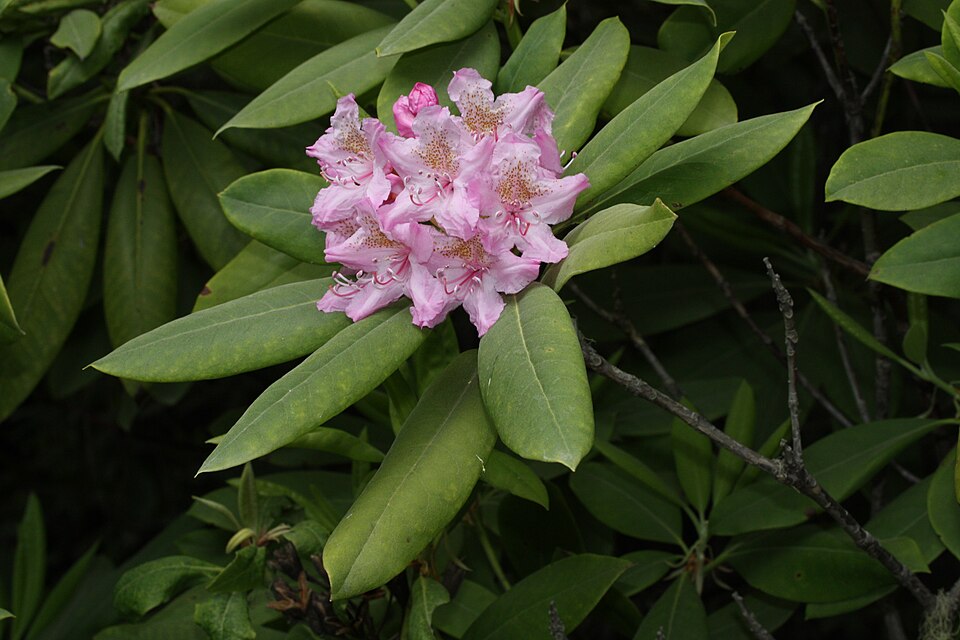

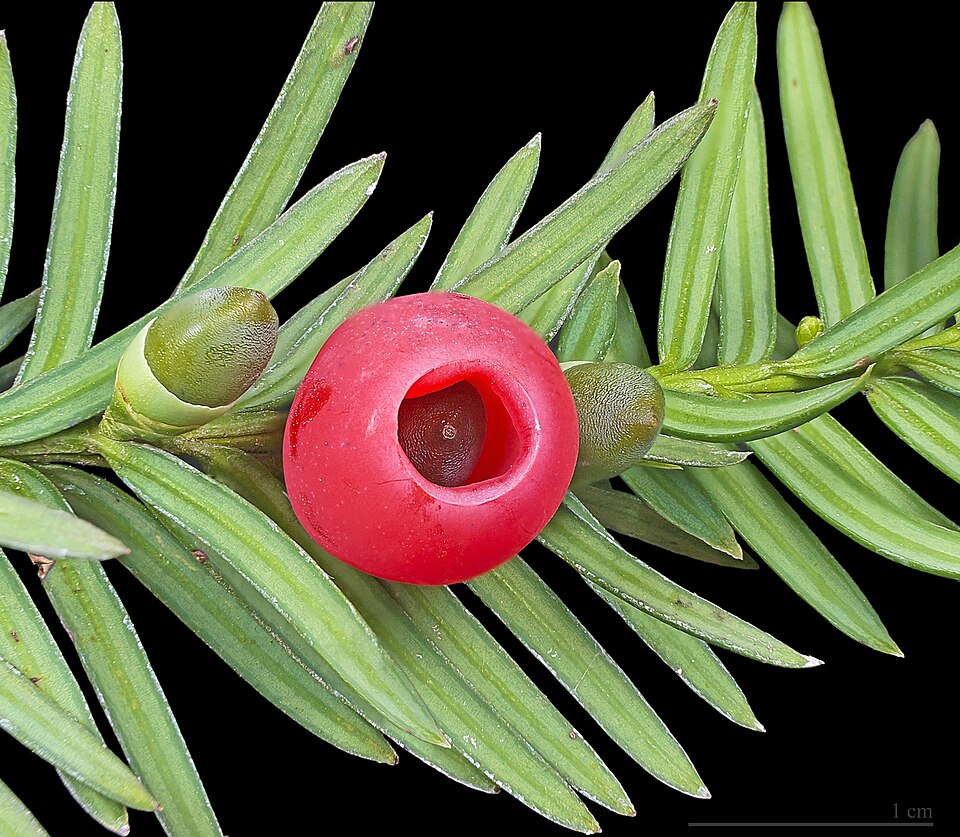

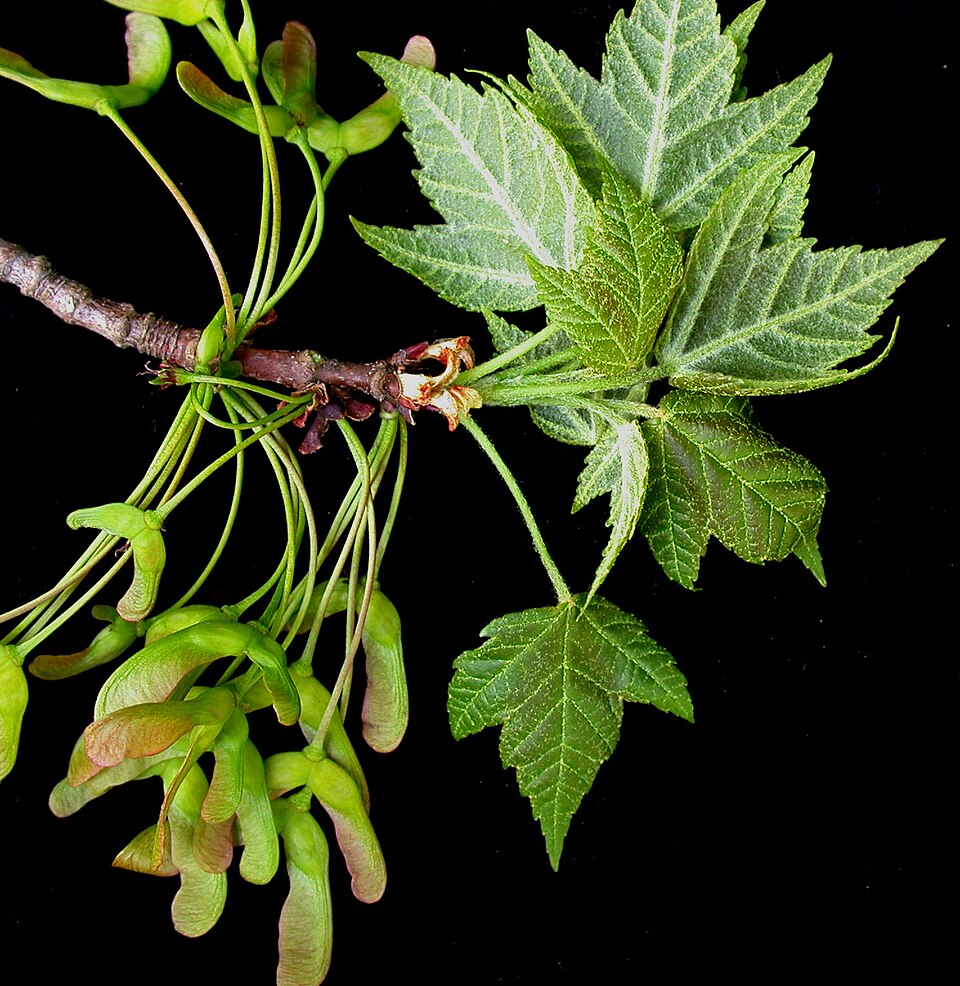

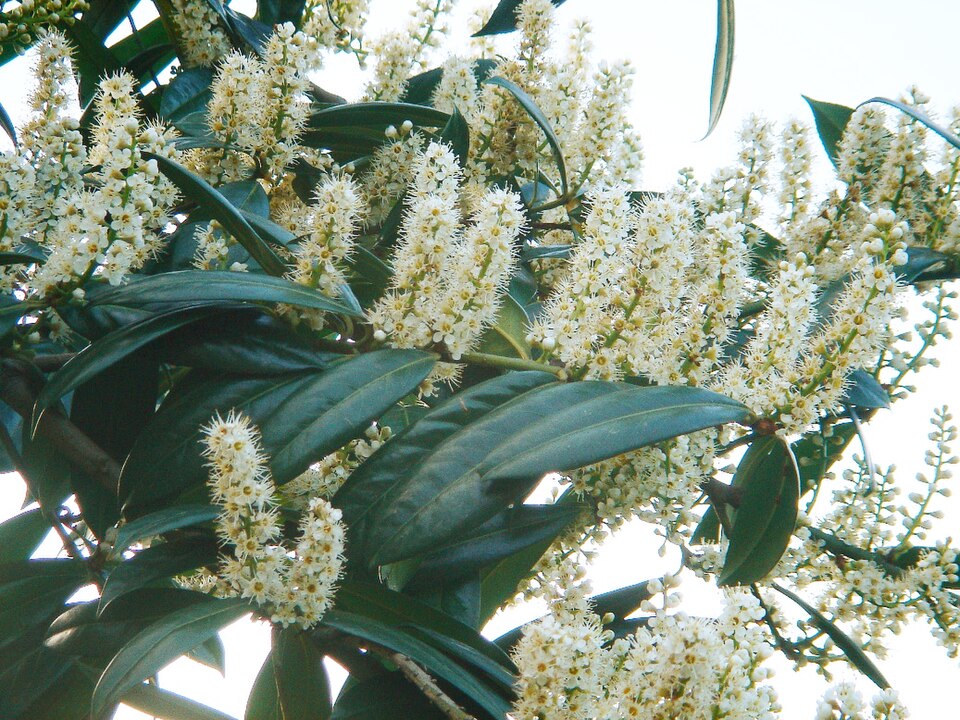

Watch for these on your land
Camelids are picky eaters, but they often don’t show signs of poisoning until it’s advanced.
- Rhododendron, azalea and Pieris
- Oleander
- Yew
- Wilted red maple leaves
- Cherry laurel and wilted cherry leaves
- Foxglove
- Poison and water hemlock
- Lupine
- Nightshades
- Green acorns
- Tansy ragwort
- St. John’s wort
- Death camas
- Onions
Keeping your animals safe
- Walk your fencelines every season. Identify plants before pulling them, and check what’s growing just over the fence too.
- Never feed yard clippings. Ask neighbors not to toss trimmings over the fence. A friendly sign helps.
- Clear storm debris fast. Pick up downed maple, cherry and plum branches within a day, before the leaves wilt.
- Keep animals well fed. Hungry animals on bare winter pastures eat plants they would normally avoid. Offer hay when grass runs short.
- Inspect your hay. Look for tansy ragwort, hemlock, horsetail and bracken. Ask your supplier where it was grown.
- Remove poison hemlock safely. Wear gloves, bag the plants and put them in the trash. Never compost them.
- Get free help with ID. The Snohomish, King, Pierce and Thurston county noxious weed boards and WSU Extension offices can identify plants for you.
If you think an animal ate something toxic, call your livestock vet right away and bring a sample or photo of the plant. ASPCA Animal Poison Control is open 24/7 at (888) 426-4435 (a consultation fee may apply).